

1. Tradition meets digital experimentation
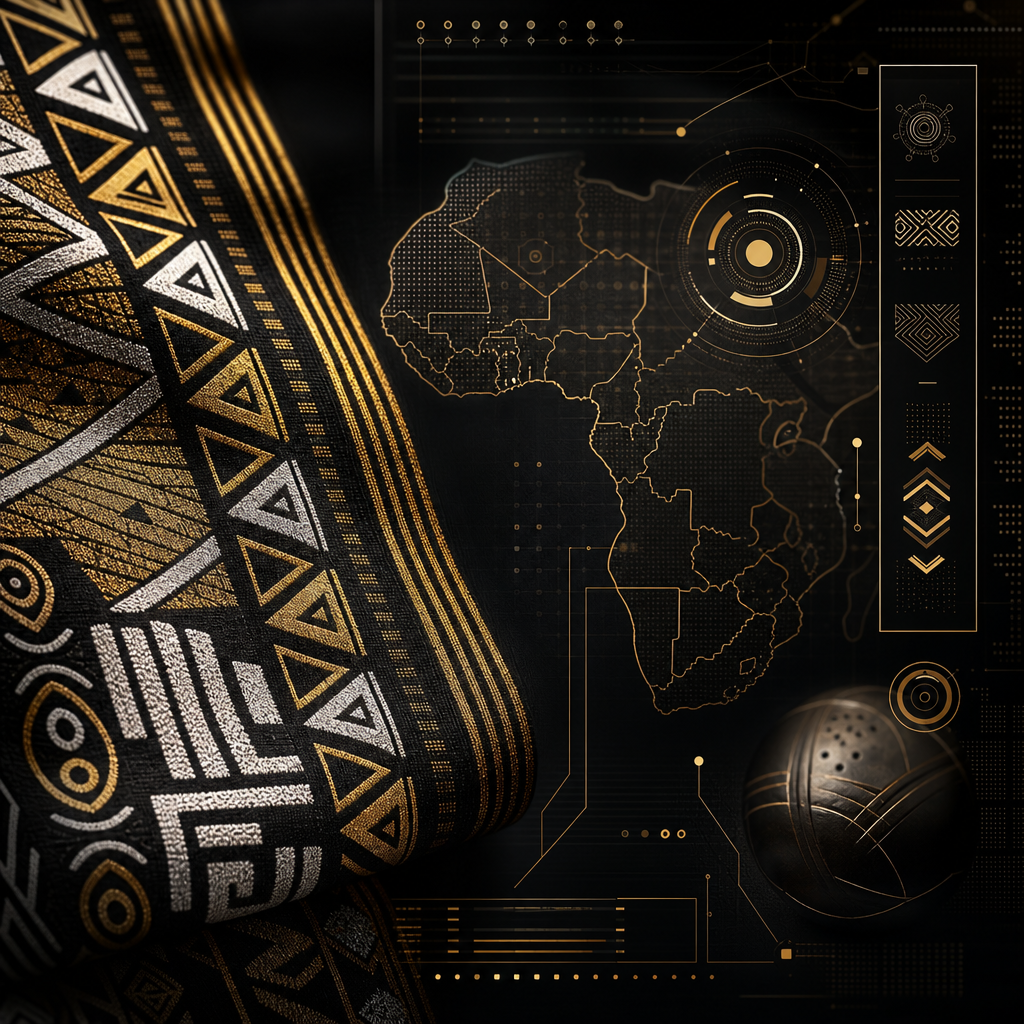
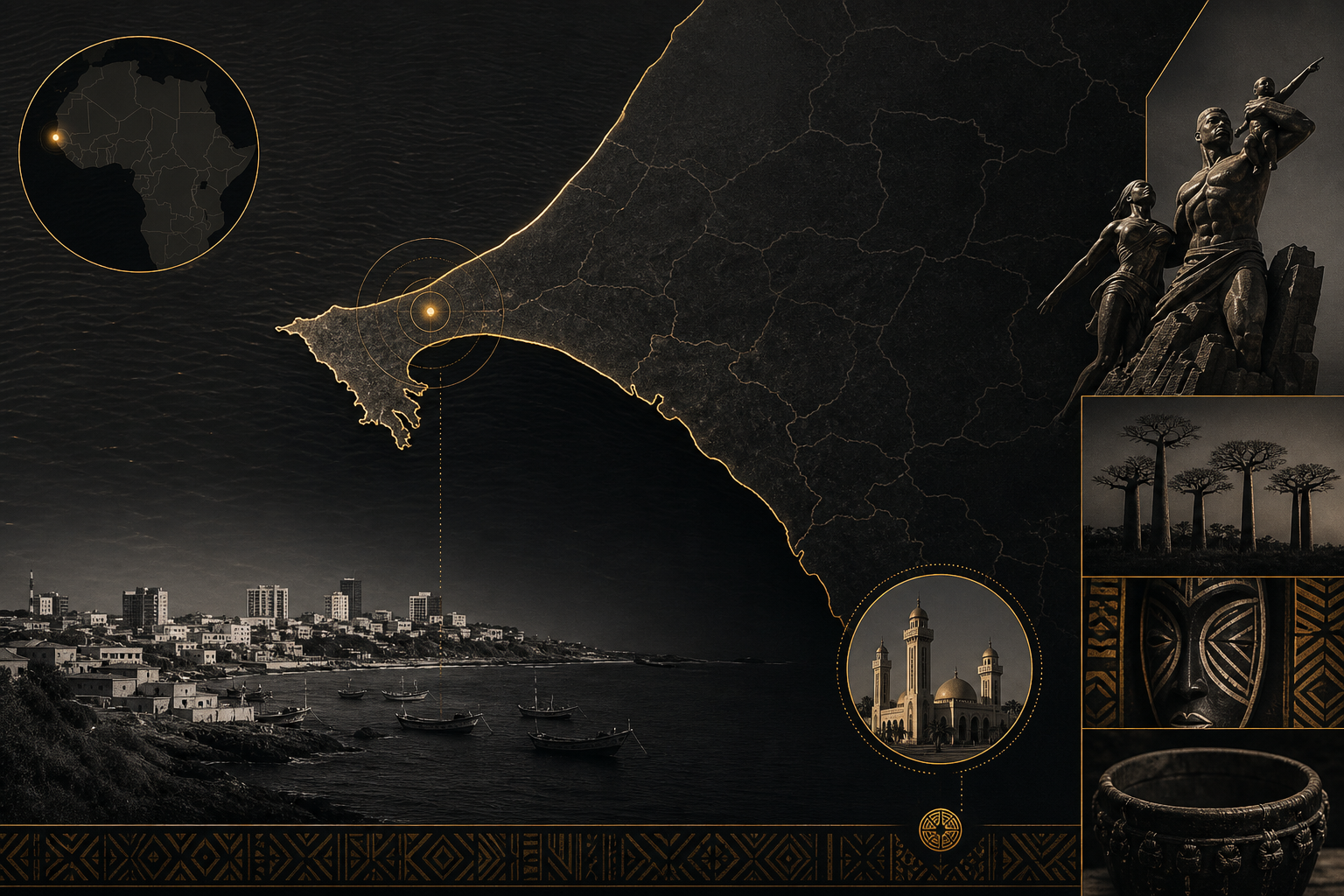
Dakar’s artistic lineage—rooted in textiles, mural work, and storytelling—is now intersecting with an accelerating digital economy. Studios along the peninsula are pairing hand-drawn motifs with 3D renders, using NFT platforms to test how heritage can live in a virtual space without losing its soul.
2. Malik Ndiaye and Almadies’ cyberpunk motifs
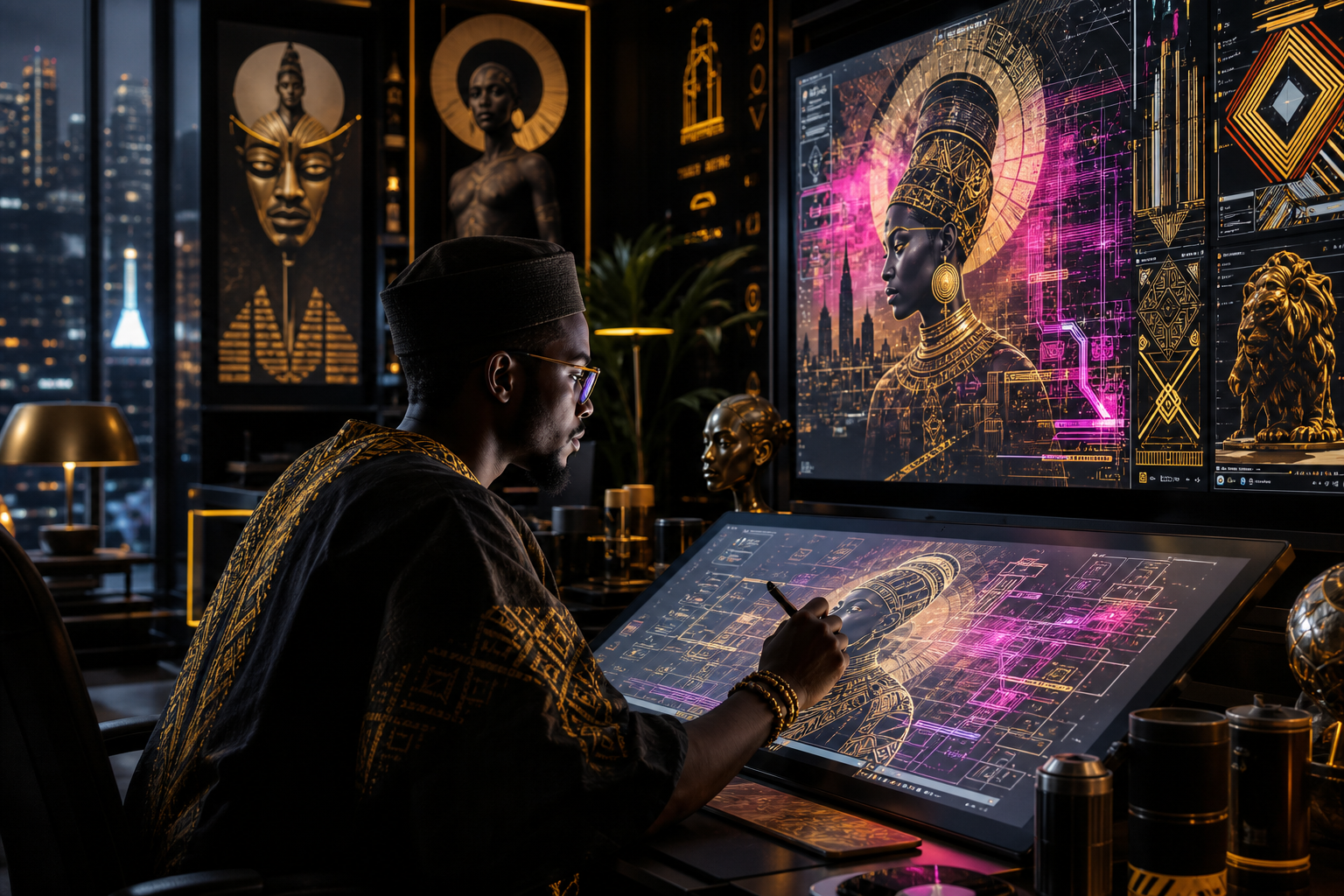
In Almadies, artist Malik Ndiaye folds Senegalese symbolism into neon textures, blending familiar patterns with cyberpunk atmospheres. His practice emphasizes how Dakar’s light, street signs, and ocean palette can be reinterpreted through digital layering.
3. Pandemic acceleration and global reach
When the pandemic closed galleries and cut live events, artists moved decisively toward digital platforms. NFTs provided a channel for direct patronage, allowing Dakar creators to connect with collectors in Lagos, London, and Los Angeles without intermediaries.
4. Ownership and provenance, explained
Media scholar Dr. Aminata Diallo notes that the power of NFTs is less about speculation and more about traceability. Provenance becomes a digital ledger of a work’s origin and movement—critical for art markets that want clarity, recognition, and protection for African artists.
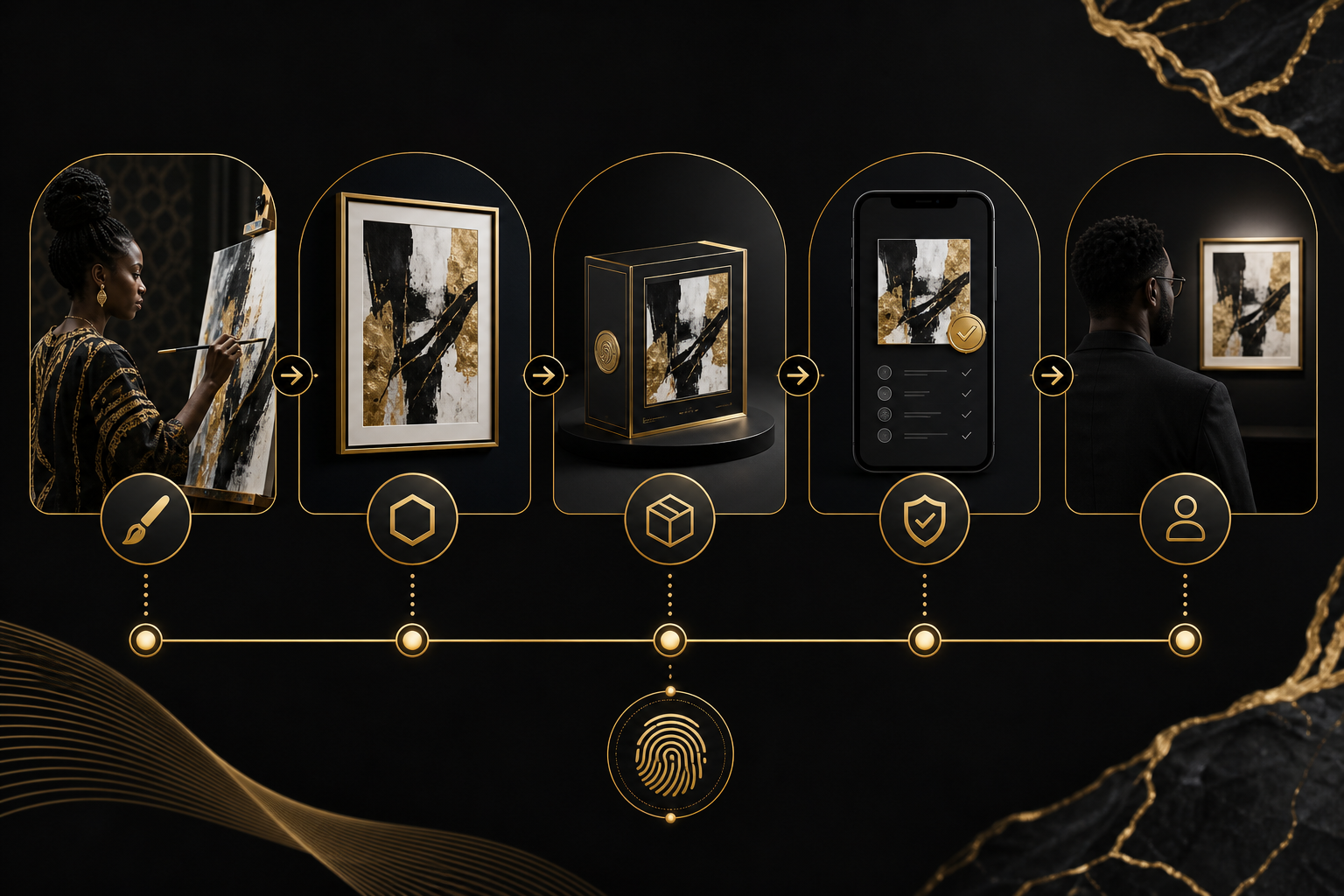
“When a buyer sees where a work began, it keeps Dakar’s context intact. That history matters as much as the art.”
5. Building a collective ecosystem
Dakar Digital Arts has become a bridge between veteran artists, emerging talent, and global tech partners. Their workshops focus on storytelling integrity, business literacy, and mentorship—ensuring NFT adoption feels like a cultural extension rather than a trend.
6. Women textile artists digitizing tradition
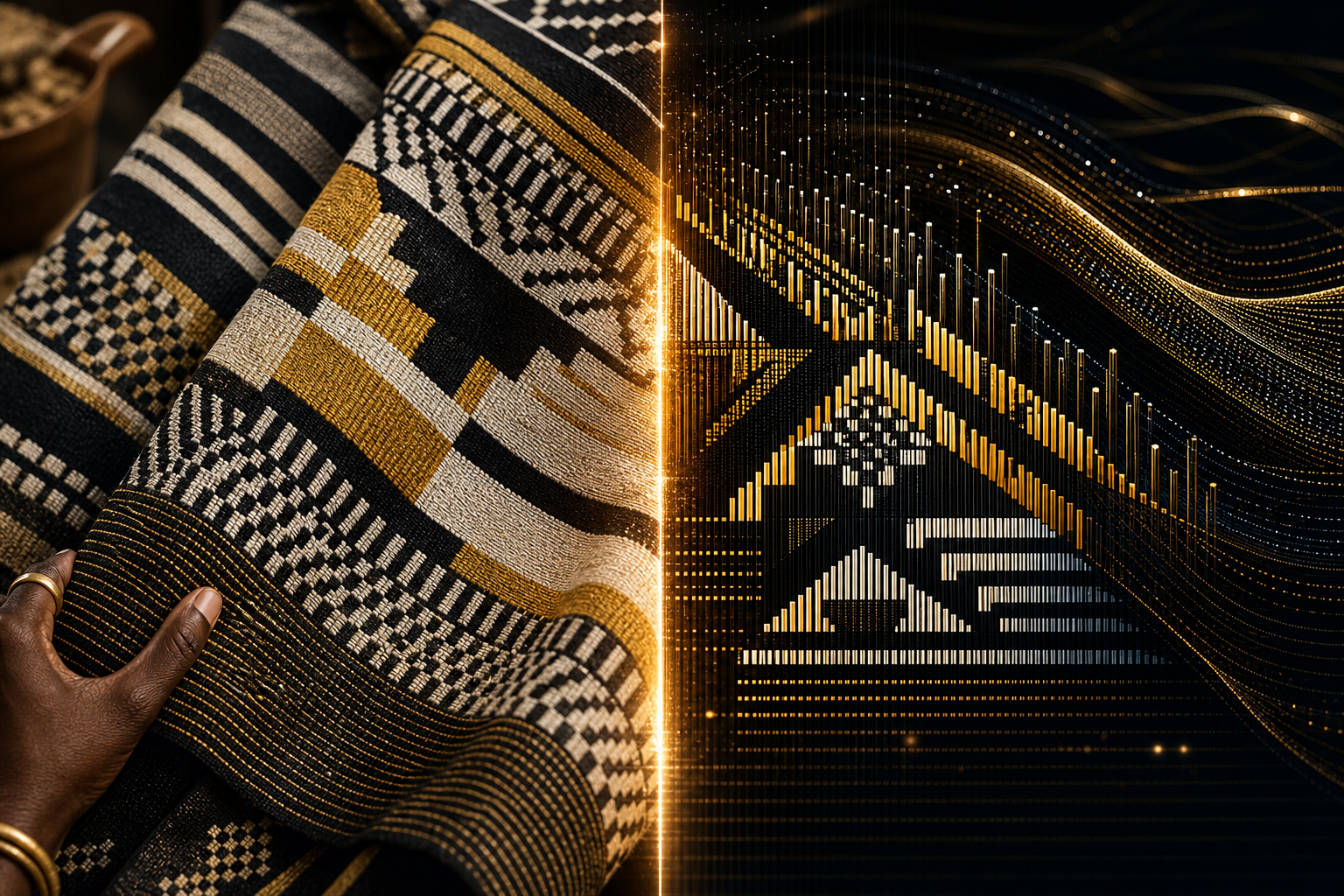
A rising cohort of women textile artists is translating embroidery, indigo, and wax prints into dynamic digital compositions. Their work protects local pattern languages while proving the visual power of African textiles in emerging virtual galleries.
7. Barriers to access and literacy
Despite momentum, blockchain complexity and uneven digital literacy remain real obstacles. Artists cite the need for trusted local partners, clearer onboarding, and technology that respects bandwidth realities and financial access.
8. A closing reflection on narrative futures
Dakar’s NFT movement is ultimately about voice: who tells African stories, who owns them, and how they travel. The next chapter will be written by creators who protect cultural nuance while embracing the reach of digital media.