
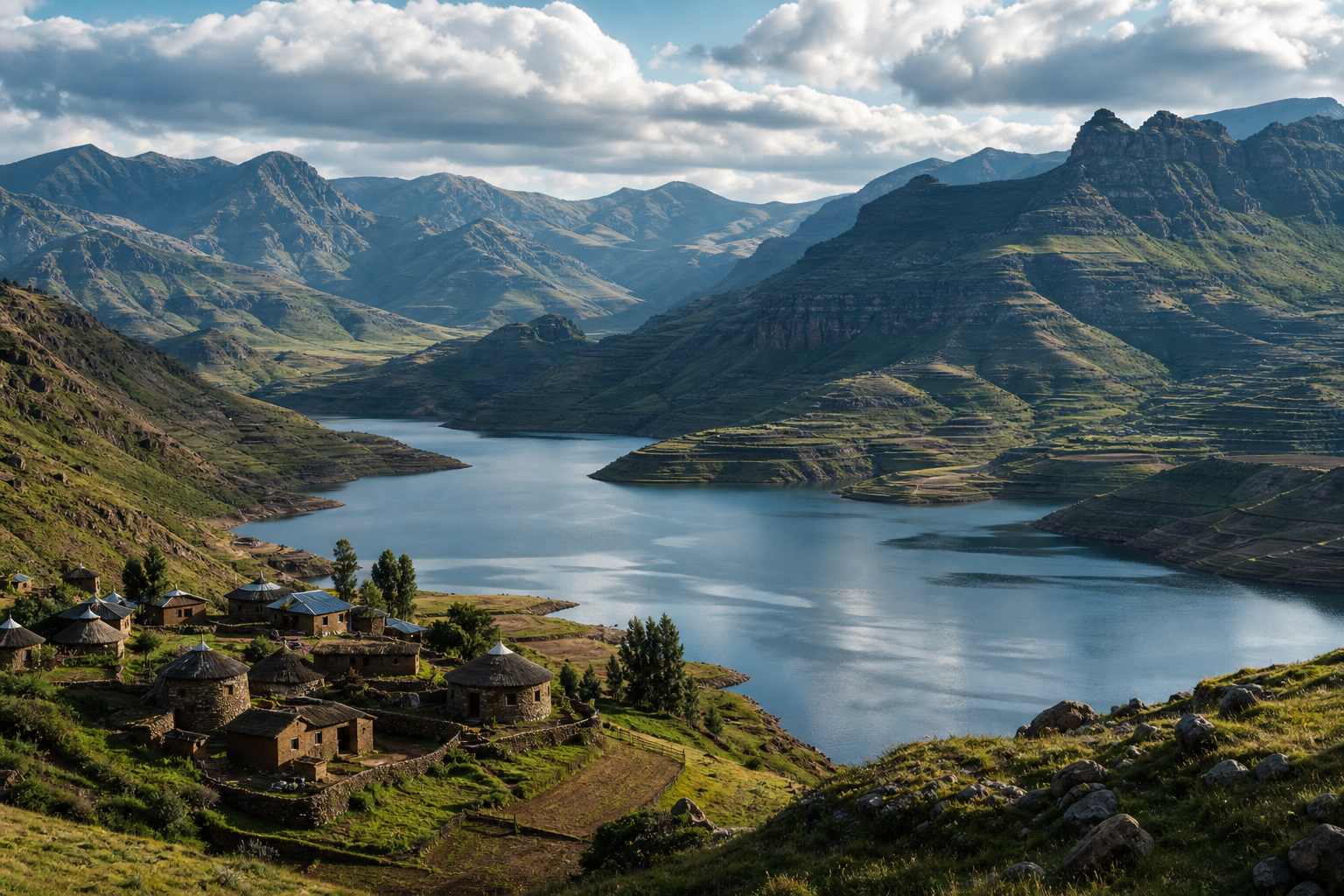
Lesotho’s Highland Gold: Water, Tourism, and the Spirit of the Mountains
In Lesotho’s mountain communities, water, community tourism, and local enterprise are creating new livelihoods while climate and infrastructure pressures remain part of daily life.
Advertisement
UMCULO
A real artist needs a real website
Premium websites for musicians and artists who want their story, music, and community to live in a refined digital home.
SEO + AI optimized · Mobile ready
Visit UMCULOFeature · Lesotho
Lesotho’s Highland Gold
A long-form editorial journey through the mountain kingdom where water, culture, and community innovation shape a future richer than minerals alone.
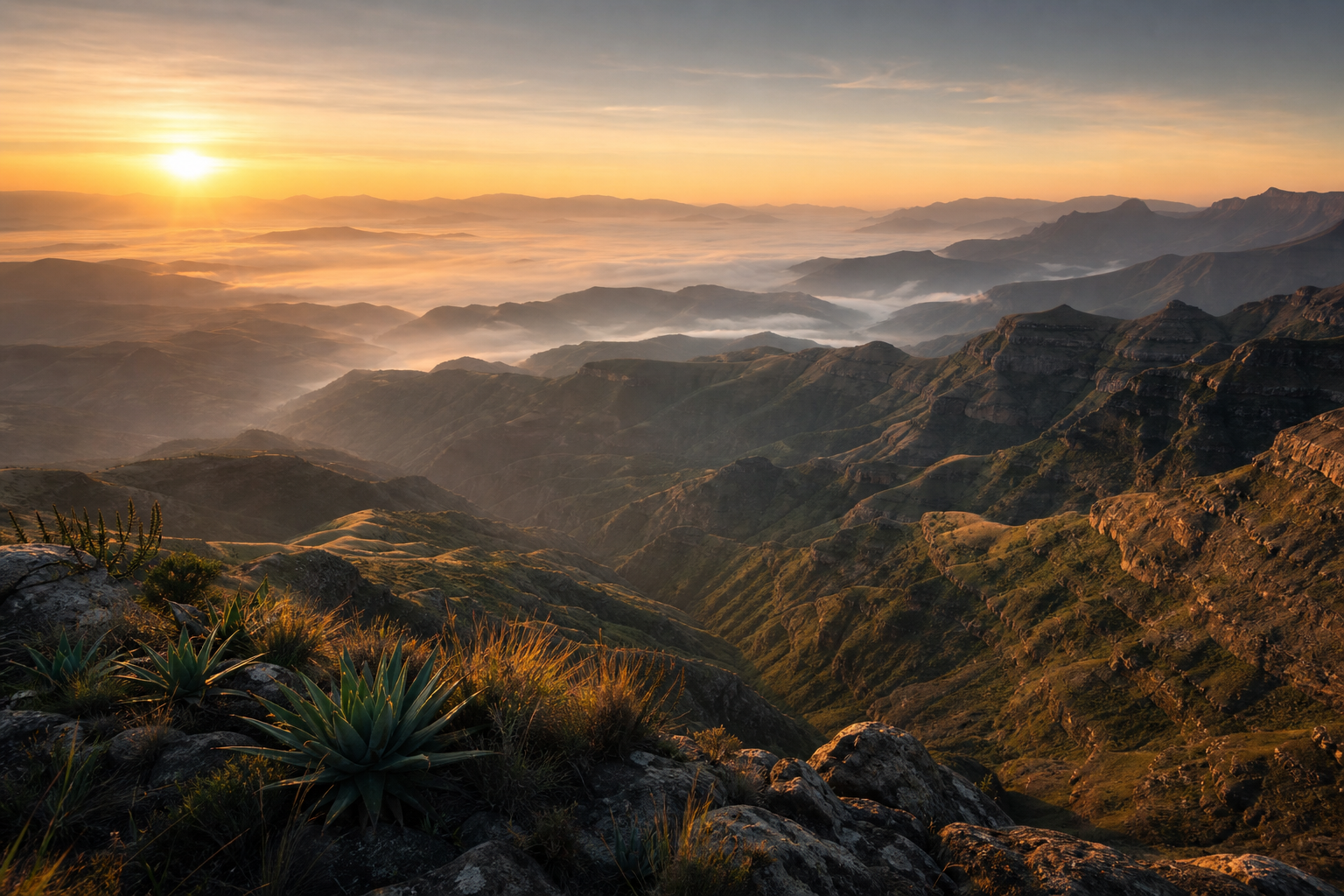
Roof of Africa, wealth beyond diamonds
Lesotho’s highlands sit above the clouds, a rugged realm of blue air and granite ridges. The country is often summarized by its minerals, yet the living wealth here is gentler and more enduring: water, grasslands, and the communities that protect them. To understand Lesotho is to see how the land yields value through stewardship rather than extraction.
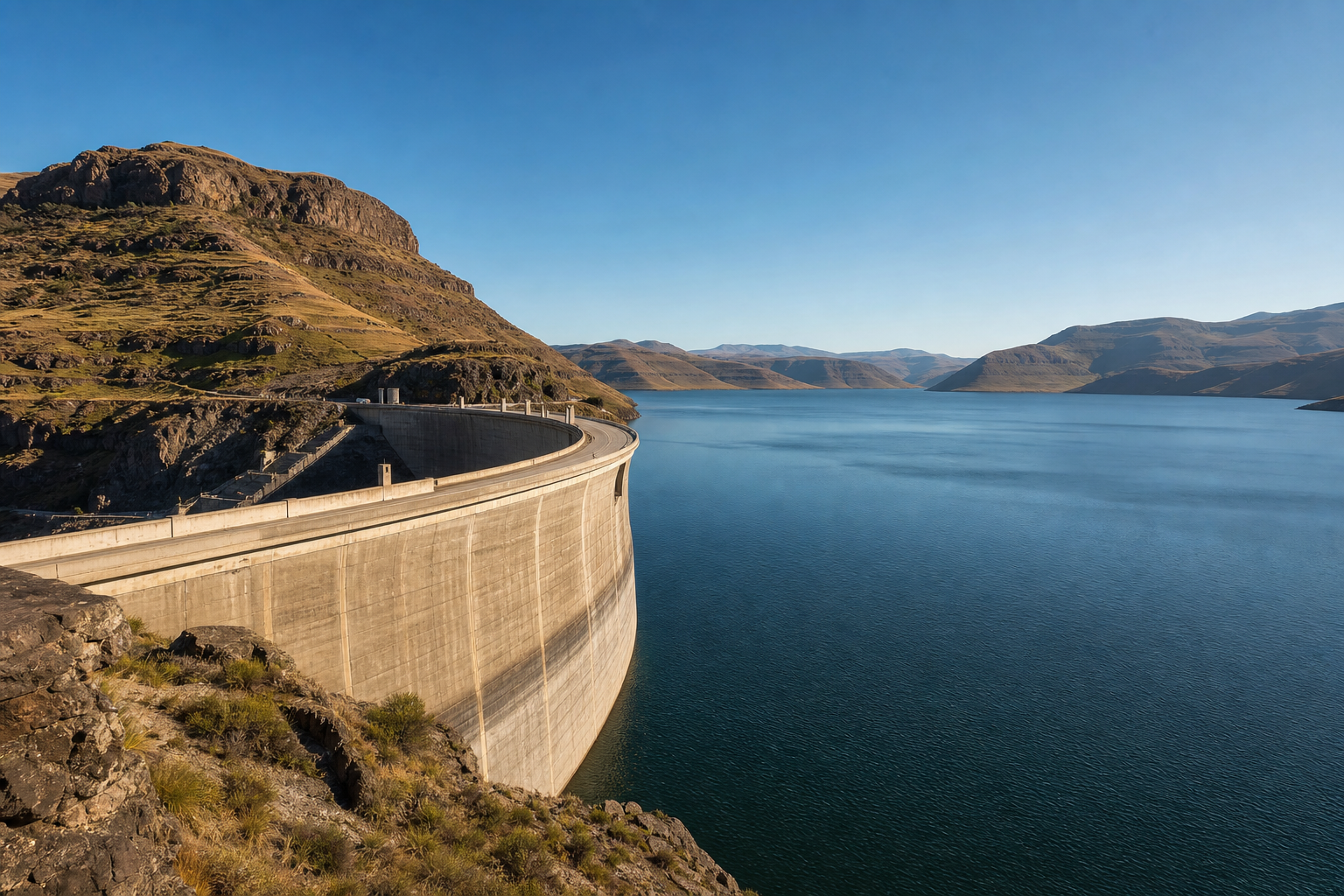
Ha Lejone: the meaning of water
In Ha Lejone, water is not only a resource but a vocabulary of survival. The Katse Dam’s vast basin mirrors the sky, and its channels power both regional supply and local livelihoods. Farmers measure their seasons by its flow, while guides read the water levels like a pulse. The refrain heard across villages is simple and certain: “Our water is our gold.”
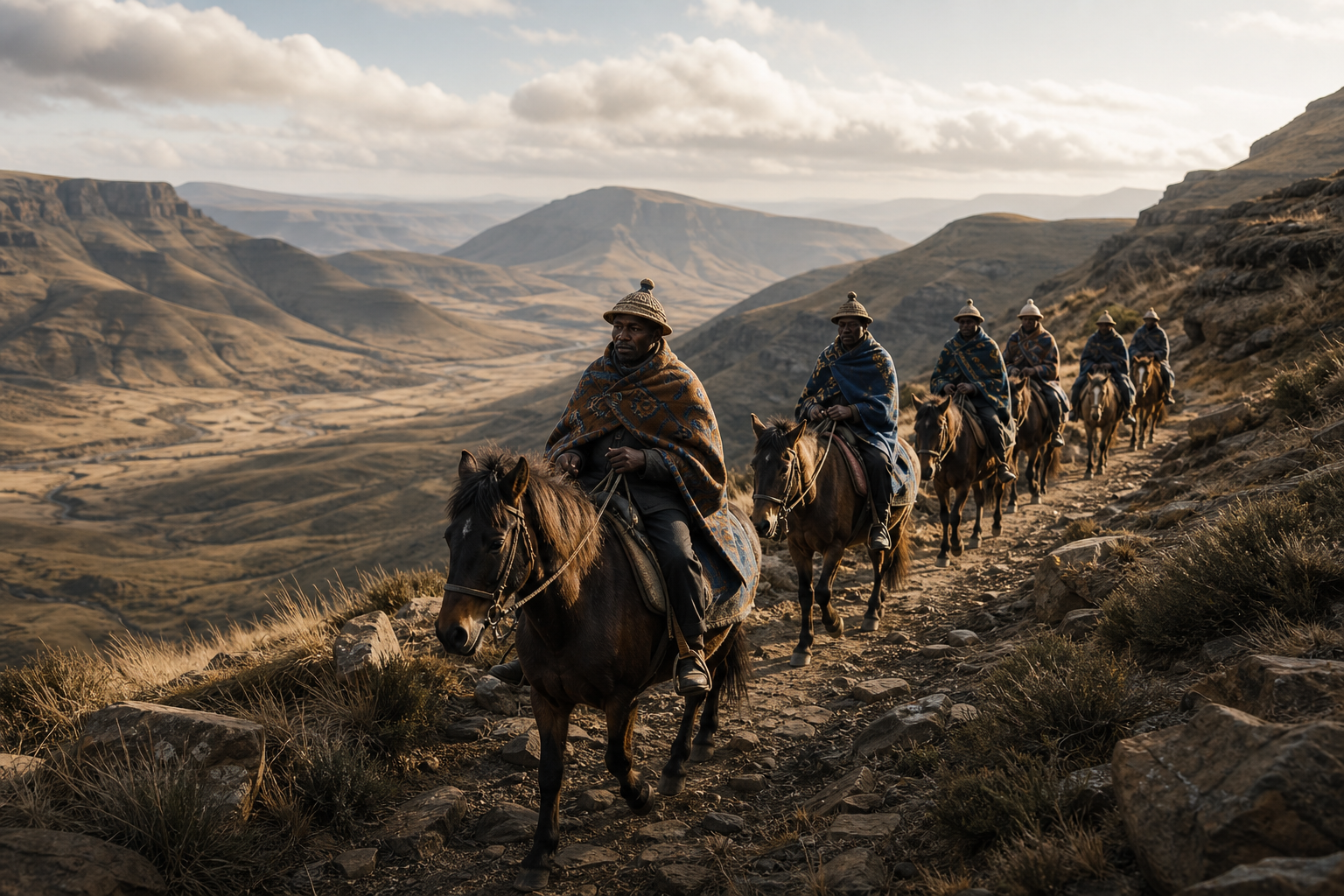
Community tourism as livelihood
Pony trekking, village visits, and guided hikes are reshaping how households earn a living. Tour operators partner with families to host meals and overnight stays, while local riders map safe passes through the mountains. These experiences are a bridge: visitors discover the country’s stories, and communities gain new income anchored in cultural pride.
Fact box
Water + tourism = livelihoods
- • Guiding and pony hire create steady seasonal income.
- • Homestays support families and fund school fees.
- • Water infrastructure keeps villages accessible year-round.
Ts’ehlanyane National Park and conservation-led guiding
Inside Ts’ehlanyane National Park, guiding is framed as guardianship. Trails are managed to protect biodiversity, while local rangers share knowledge of alpine plants and rare birdlife. Conservation rules become the curriculum, shaping a tourism economy that rewards care for the landscape.
Youth perspective and cultural pride
Young Basotho are finding reasons to stay and build locally: training as guides, launching small brands, and documenting culture through social media. Pride in language, music, and the iconic blanket tradition is turning heritage into opportunity — a narrative led by the next generation.
Challenges across terrain and climate
The highlands are breathtaking yet demanding. Roads are fragile, communication is inconsistent, rainfall is increasingly variable, and agricultural pressure rises as grazing lands shrink. These frictions complicate development even as demand for tourism and water grows.
Challenge / Adaptation
Limited road access can isolate villages during heavy storms. Community groups now coordinate transport schedules, pool maintenance funds, and advocate for better seasonal planning.
Adaptation and community response
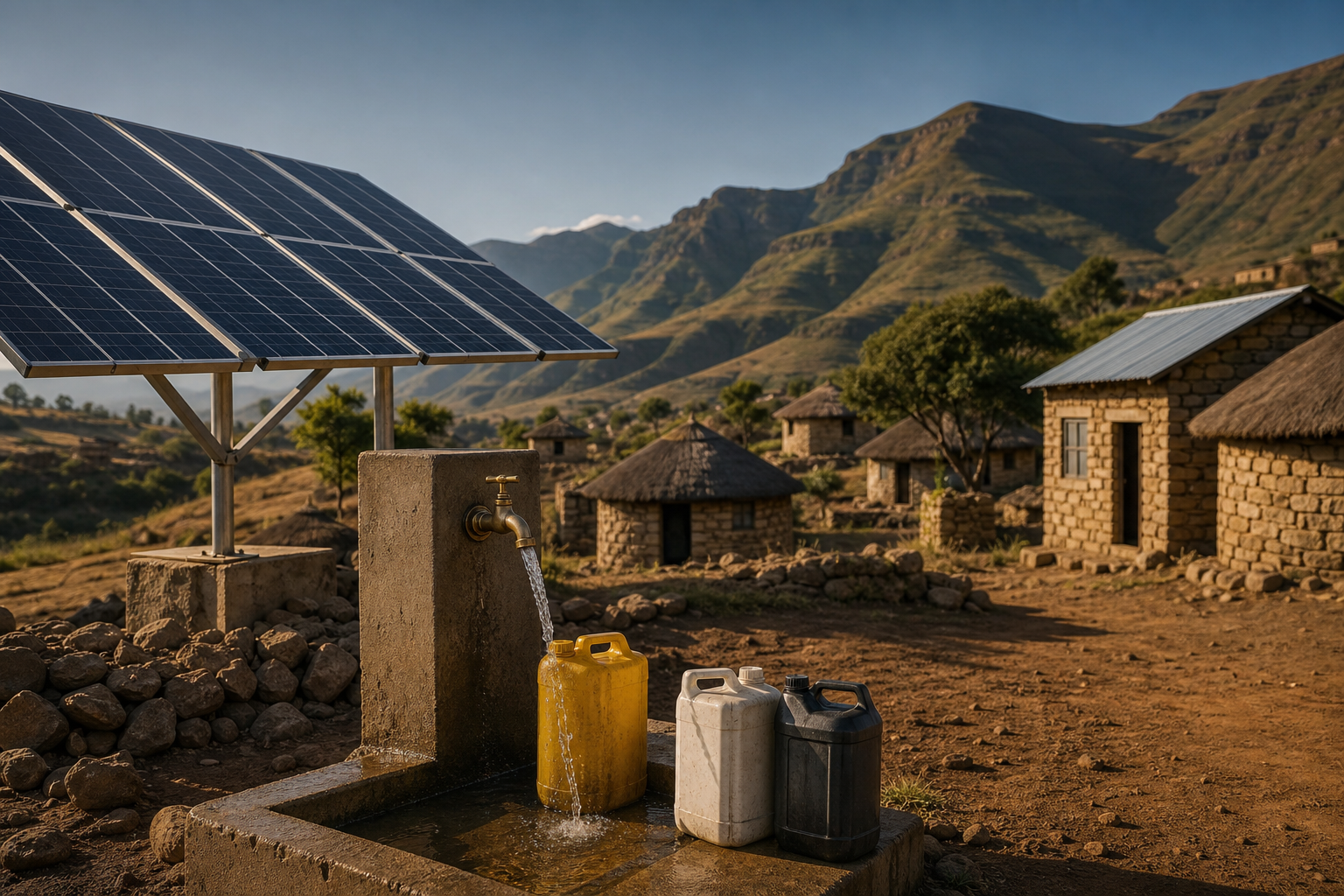
Community-led initiatives are answering these pressures. Solar-powered water access points reduce time spent collecting water, while local support programs connect cooperatives to training and funding. These practical solutions keep the momentum close to home.
Women’s crafts and local enterprise
Weaving cooperatives and textile studios are preserving Basotho blanket traditions while evolving them into contemporary products. These enterprises are led by women who turn heritage into market-ready design, strengthening family incomes and cultural continuity.
Resilience, stewardship, and community-led futures
Lesotho’s highlands remind us that true wealth is renewable when cared for. The story is not only about water or tourism, but about people who choose to stay, protect their land, and build a future rooted in dignity and shared stewardship.