
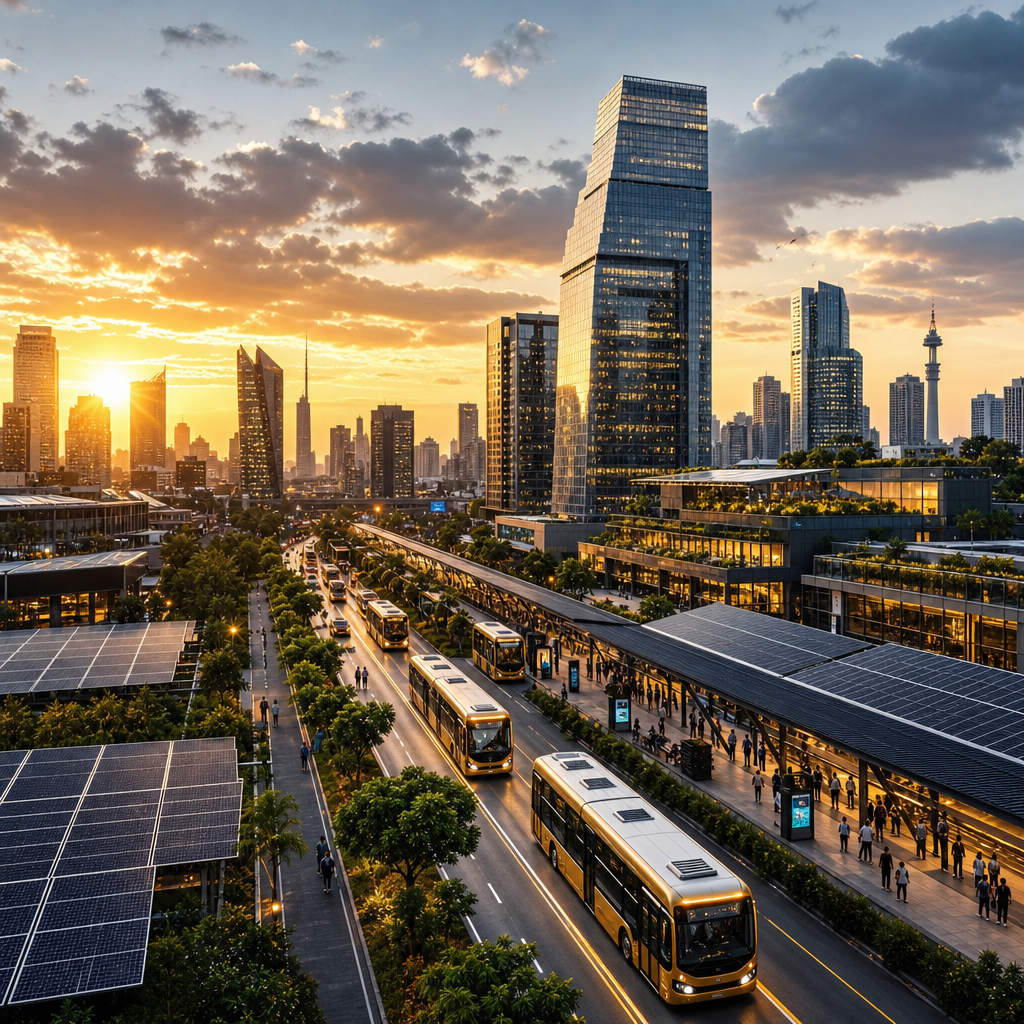
Beneath the glass-and-steel skylines of Africa’s fastest-growing megacities, a quiet revolution is unfolding. While the Global North grapples with the immense cost of retrofitting aging power grids and crumbling 20th-century infrastructure, African innovators are leapfrogging straight into a decarbonized future. This is not only a response to the climate crisis; it is the emergence of a new sustainable blueprint for the 21st-century city.
Africa is the fastest-urbanizing continent on earth. By 2050, one in four people on the planet will be African, and most will live in cities. That rapid growth presents a choice: follow the carbon-intensive path of the past, or innovate. Across the continent, the latter is already happening through a shift from centralized, fragile systems to decentralized, resilient ones.

Water resilience is one major example. In the wake of Cape Town’s Day Zero crisis, the city did not simply search for more water; it rethought its relationship with water altogether.
Today, grassroots innovators are deploying waterless sanitation solutions and smart-governance tools that have made Cape Town a global case study in urban water security.
Energy decentralization is already here
In Nairobi and Lagos, the solar leap is underway. Rather than waiting for national grids to expand, businesses and residential hubs are turning to solar-integrated microgrids. Startups such as Solar Turtle in South Africa are introducing portable solar kiosks, demonstrating that clean power can be scalable, practical, and community-owned.
Mobility without the smog
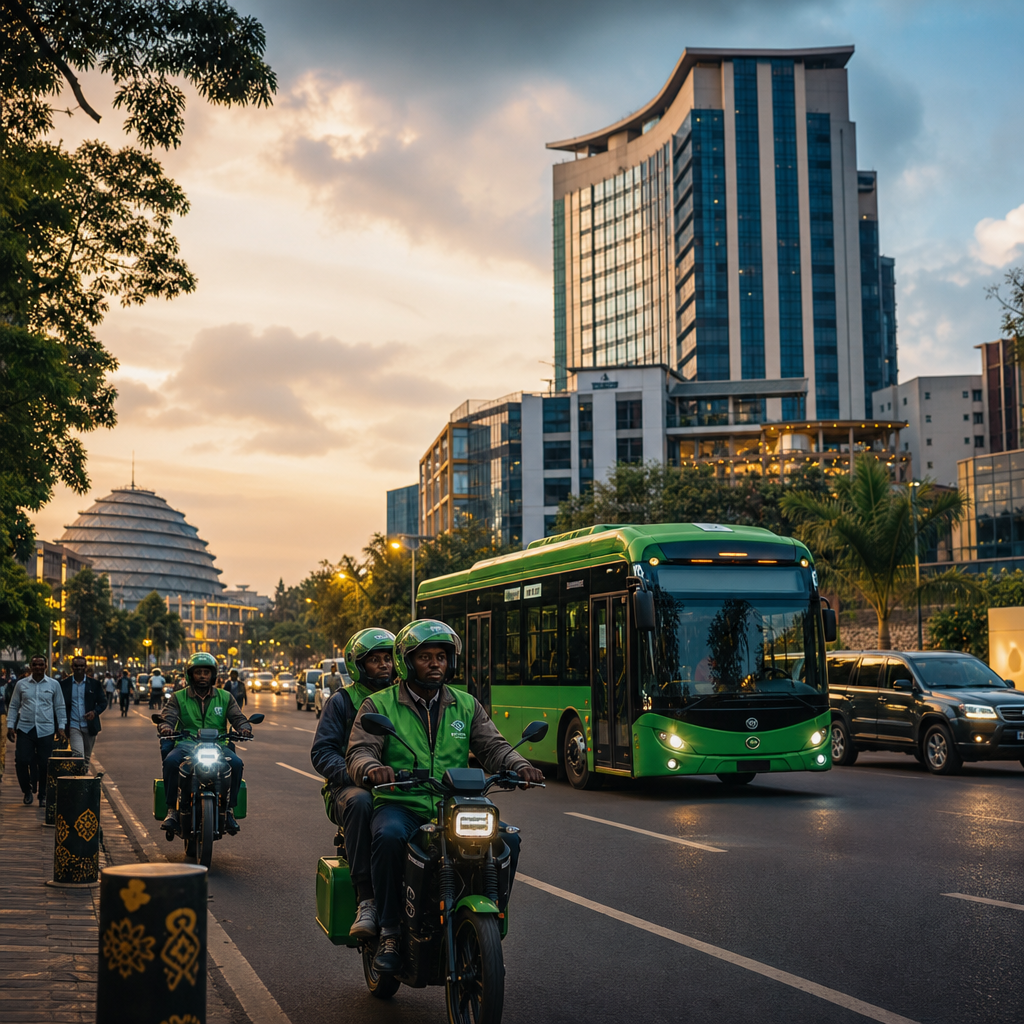
Mobility is also changing. From electric motorbike taxis in Kigali to the expansion of green rapid transit in Addis Ababa, African cities are showing that movement does not have to mean congestion and smog.
The leapfrog theory suggests that developing nations can bypass older stages of development by adopting modern technology early. Just as Africa skipped landlines for mobile phones, it is now skipping coal-heavy industrialization for a green-tech revolution. This is not merely a feel-good story; it represents a major economic opportunity.
A living laboratory for the world
The continent is no longer being framed only as a climate victim. It is becoming a living laboratory for the world’s most pressing urban challenges, and the innovations born in cities like Nairobi and Cape Town today may become the solutions exported around the world tomorrow.
“Africa’s cities are not catching up — they are setting the pace for what sustainable urban life can look like.”