
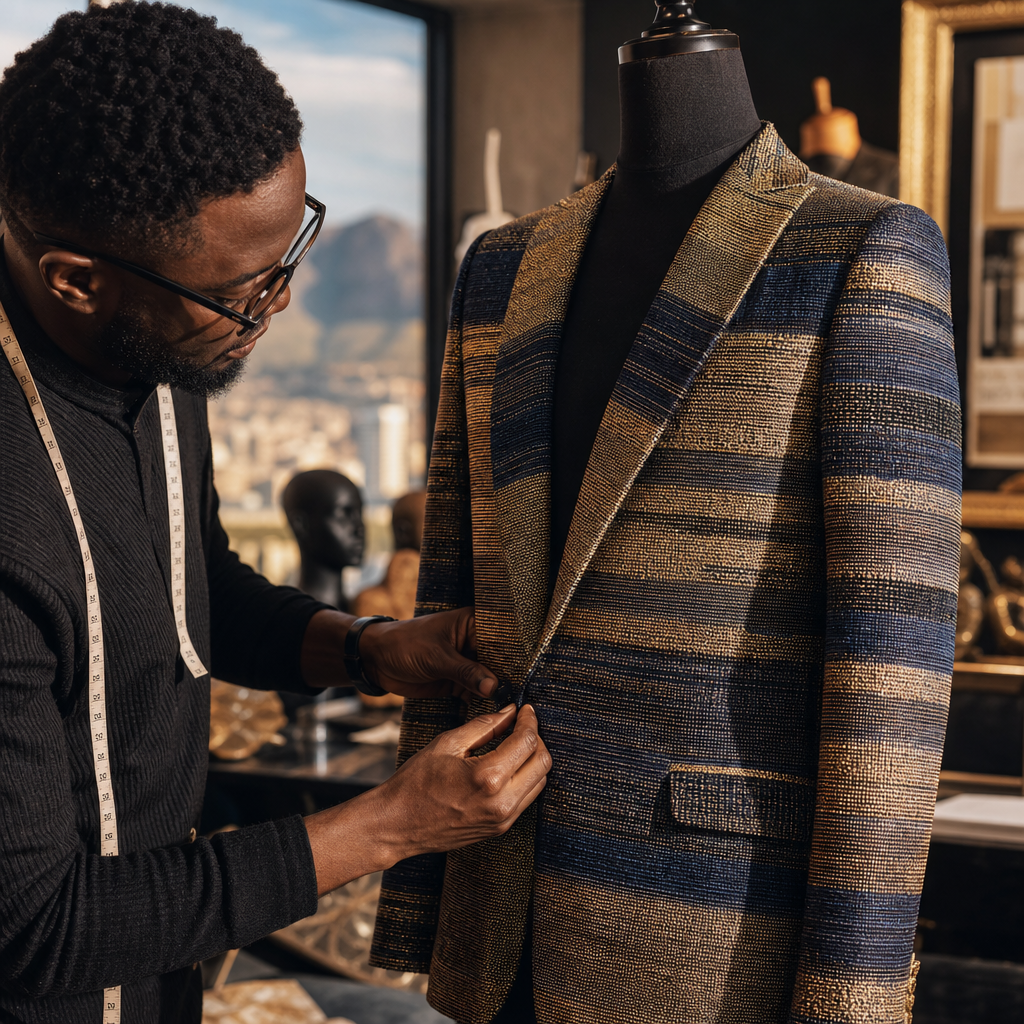
The silhouette is unmistakable: a sharp, architectural blazer crafted from hand-woven Aso-oke fabric, shimmering with a metallic thread that catches the afternoon sun in a Cape Town studio. This is the work of a new guard of designers who are not just making clothes—they are constructing a new definition of luxury. They are not seeking a seat at the table of European fashion houses; they are building their own tables, rooted in what is being called the “Luxury of African Imagination.”
For over a century, the global luxury industry viewed Africa through a lens of inspiration. Traditional textiles and patterns were often appropriated by Western brands, stripped of their cultural context, and sold back to the world at a premium. Today, that dynamic has been flipped. Designers such as Thebe Magugu of South Africa and Kenneth Ize of Nigeria have moved beyond being labeled simply as African designers to becoming global luxury icons. Their success is built on a refusal to compromise on heritage. Kenneth Ize, for instance, has helped revitalize the Aso-oke weaving tradition in Nigeria, integrating it into high-fashion tailoring that has appeared on the runways of Paris and Milan.
“Luxury here is not borrowed prestige—it is inherited memory, made contemporary.”
This is the Neo-African luxury movement. It is characterized by three core pillars. First is ancestral technique: using artisanal methods such as intricate beadwork or hand-dyeing not as a gimmick, but as a foundational design element. Second is radical sustainability: many of these houses prioritize slow fashion, local sourcing, and artisanal transparency, outmaneuvering traditional luxury conglomerates that are struggling to meet the ethical demands of the modern consumer. Third is intellectual depth: these collections often tell complex stories ranging from South African history to Yoruba mythology, turning every garment into a piece of wearable literature.
What makes this movement Neo-African is its global relevance. These brands are not only for the diaspora; they are for the global citizen who values authenticity and provenance over a mere price tag. By reclaiming their own narratives, these designers are proving that heritage is the ultimate currency in the 21st-century luxury market.
Movement Snapshot
3 Pillars
Ancestral technique, radical sustainability, and intellectual depth power the new luxury houses.
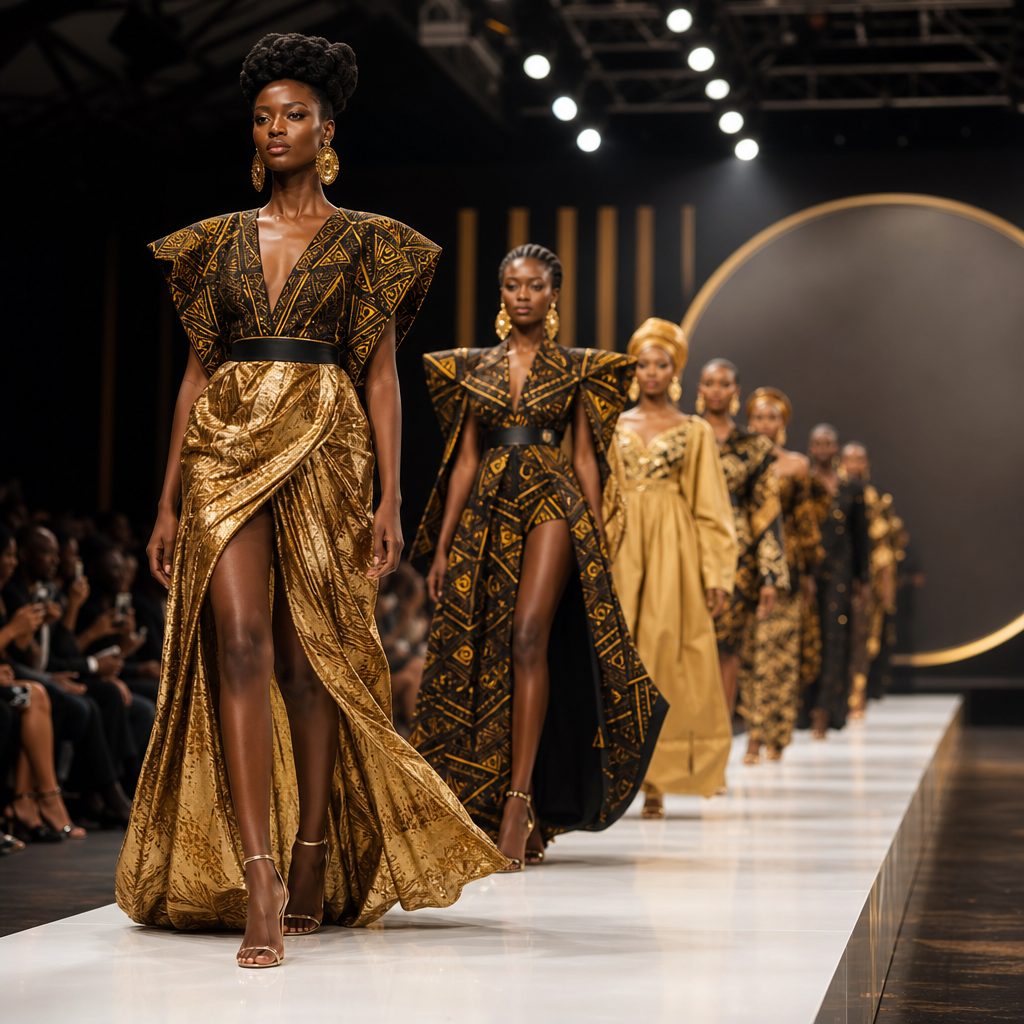
However, the path is not without obstacles. Scaling an artisanal-led luxury house requires significant capital and a robust local manufacturing base—two areas where the continent still faces structural gaps. Yet the momentum is undeniable. The “Made in Africa” label is no longer about mass-produced basics; it is becoming a hallmark of exclusivity, craftsmanship, and visionary design.
The shift is clear: luxury is being rewritten by designers who understand that authenticity is not a trend but a legacy. The Neo-African luxury house is not an answer to Europe—it is an original proposition to the world.