
Feature Analysis
The Great African Connectivity
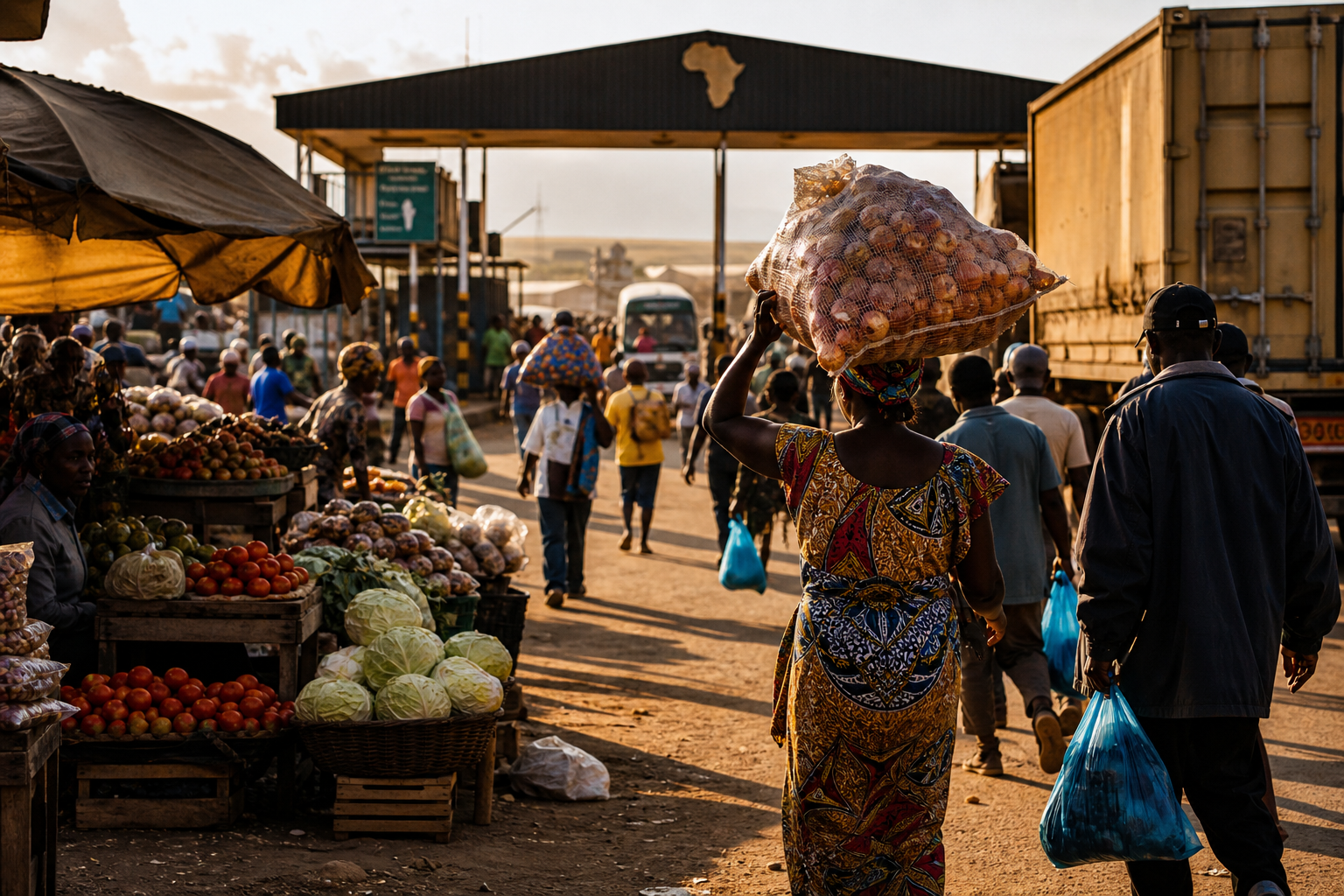
AfCFTA is written in clauses and customs codes, but its real story is told in the voices of women who trade across borders. This is the human question behind the policy: can a continent-wide agreement turn long lines, lost goods, and informal risk into a future of dignity and scale?
What is AfCFTA?
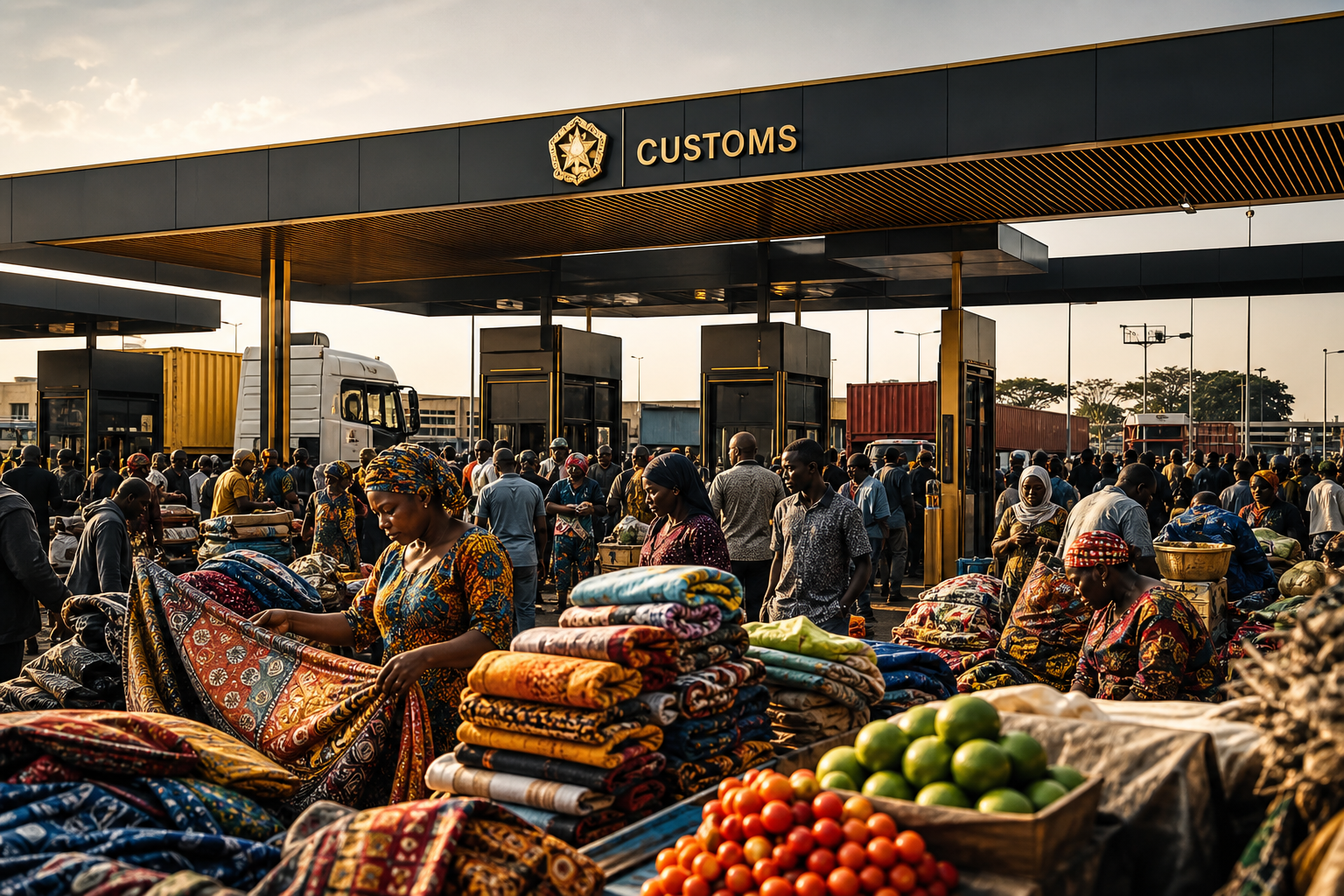
The African Continental Free Trade Area is a pact between 54 nations to cut tariffs, standardize trade rules, and build a shared market. It is designed to make moving goods across borders as normal as moving them between cities.
Goal: a single African market of 1.4 billion people.
1. The human question beneath AfCFTA
Policymakers talk about competitiveness, but traders ask something simpler: will it be safer, faster, and more affordable to carry goods across borders? The agreement only matters if it gives families predictability, not just policy wins.
2. Before AfCFTA: Mama Ngozi’s reality
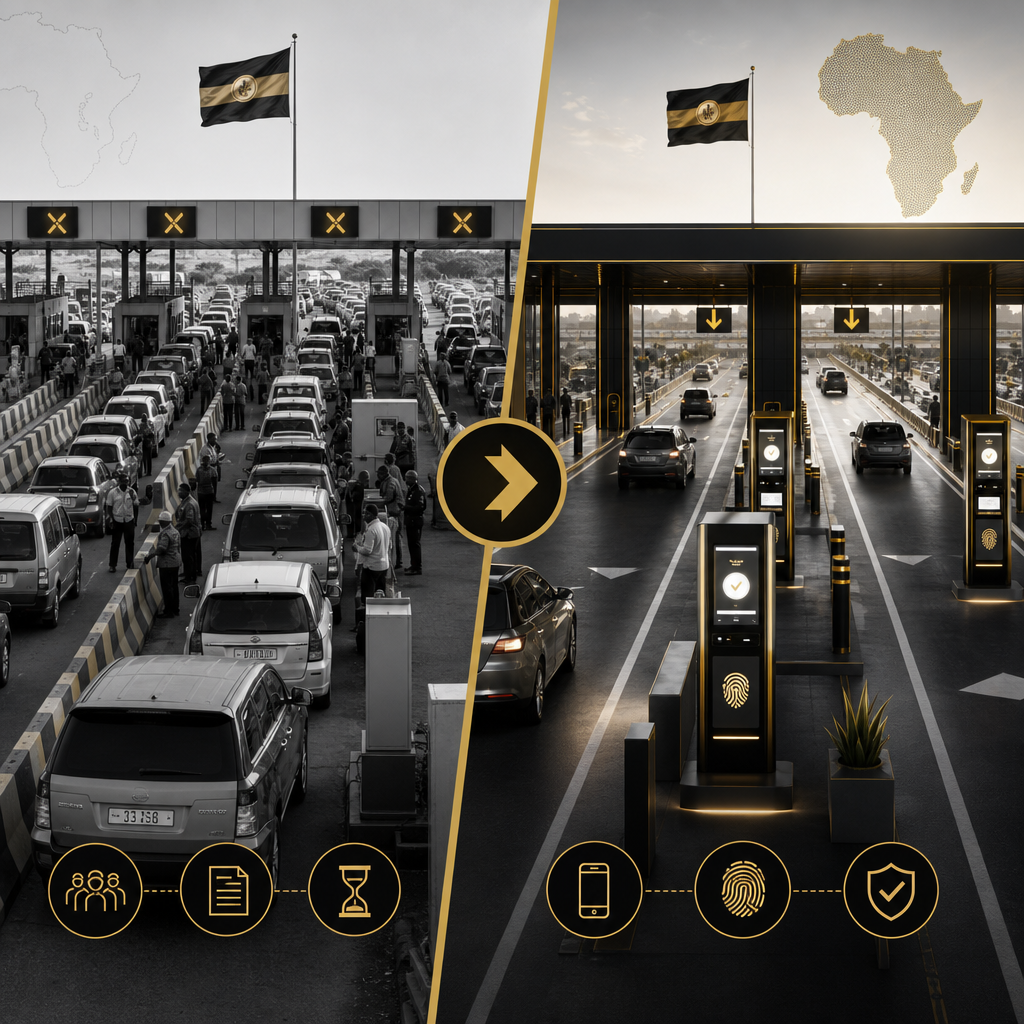
Mama Ngozi, a food trader working between southern Nigeria and Benin, remembers days when crossing meant informal fees, three different document queues, and a constant fear of spoilage. Her income came in quick bursts and vanished just as fast.
Before
- Multiple manual inspections and informal payments.
- Unclear tariff charges that changed weekly.
- Perishable goods lost value in long queues.
After
- Digital pre-clearance and fewer checkpoints.
- Tariffs published in advance across corridors.
- Consistent crossing times and cooler storage access.
3. What has changed under AfCFTA
Pilot corridors in West and East Africa now use harmonized documents and mutual recognition of standards. Small traders can pre-register, while customs officers are measured against clearance time targets.
4. Household livelihoods in motion
When one crossing becomes predictable, an entire household reorganizes. School fees are timed, stock levels improve, and cashflow stabilizes.
Household Impact Chain
5. Why women traders and SMEs matter
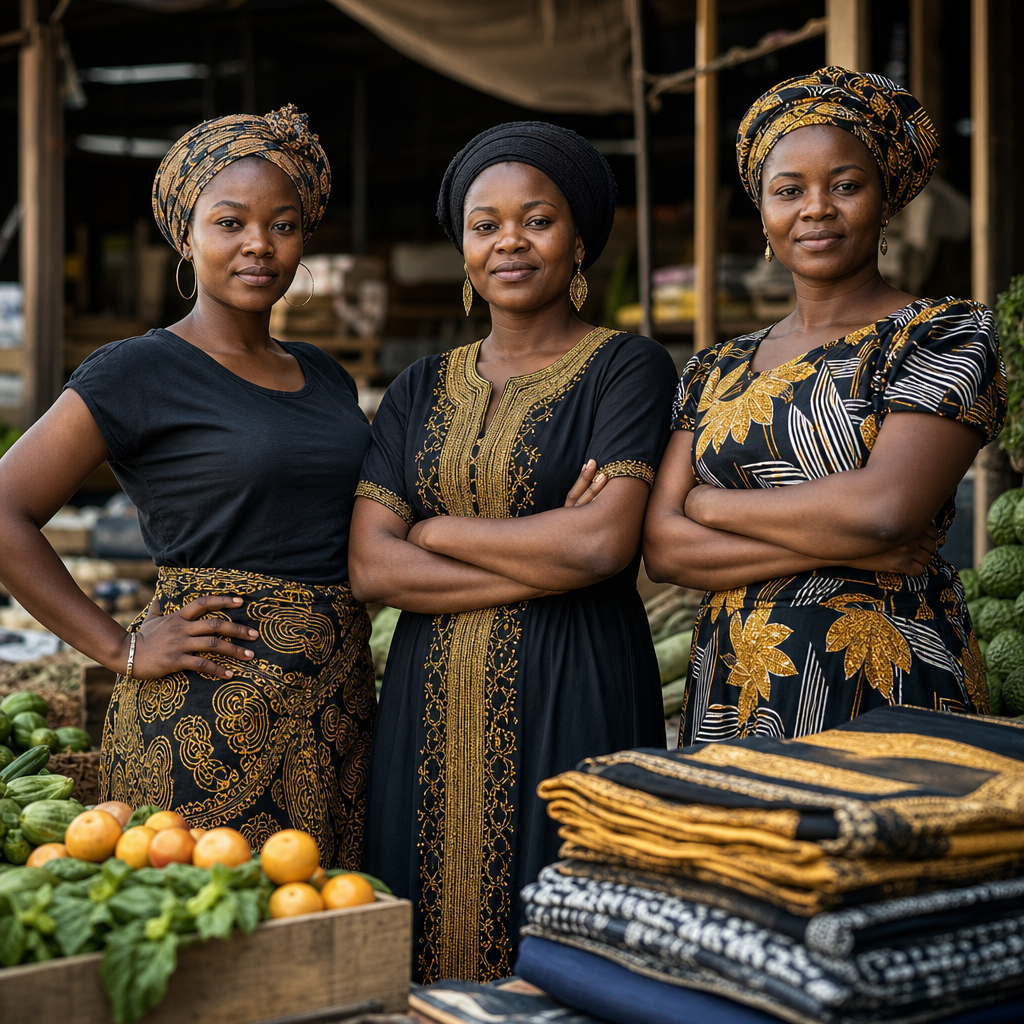
Women account for the bulk of informal cross-border trade. SMEs make up the ecosystem that feeds urban markets. AfCFTA’s promise rises or falls on whether these groups are included in the formal advantages.
Key Benefits
- Access to shared standards and certified routes.
- Lower duties on staple goods and regional inputs.
- Clearer protections for informal traders joining formal markets.
6. Expert perspective: Dr. Kwame Owusu
“AfCFTA will only work if the smallest trader can feel it. Efficiency is not a spreadsheet metric, it is the ability to plan a family’s future without fear of the border.”
Dr. Kwame Owusu · Regional Trade Economist
7. Social and cultural effects
More consistent trade brings more consistent contact — shared logistics hubs, cross-border partnerships, and a cultural exchange that stretches beyond goods. Markets are becoming meeting points for language, music, and local innovation.

8. Remaining challenges
Infrastructure gaps, inconsistent border technology, and non-tariff barriers still slow progress. Traders navigate shifting regulations while waiting for transport upgrades and better storage networks.
Key Challenges
- Uneven road quality and port congestion.
- Non-tariff barriers, paperwork gaps, and inconsistent policy rollout.
- Limited access to affordable finance for micro-traders.
Advertisement
LapheZulu
Catering And Events
Modern, story-driven catering for editorial launches, brand dinners, and private celebrations.
+27 67 679 6984
Proudly South African
9. Measuring success with dignity
AfCFTA will be judged not by press conferences but by its ability to keep goods fresh, routes safe, and profits fair. If the smallest trader can plan a season in advance, the agreement will be doing its work.