Linked Media Group SA logo

Linked Media Group

SA

Added by user manually
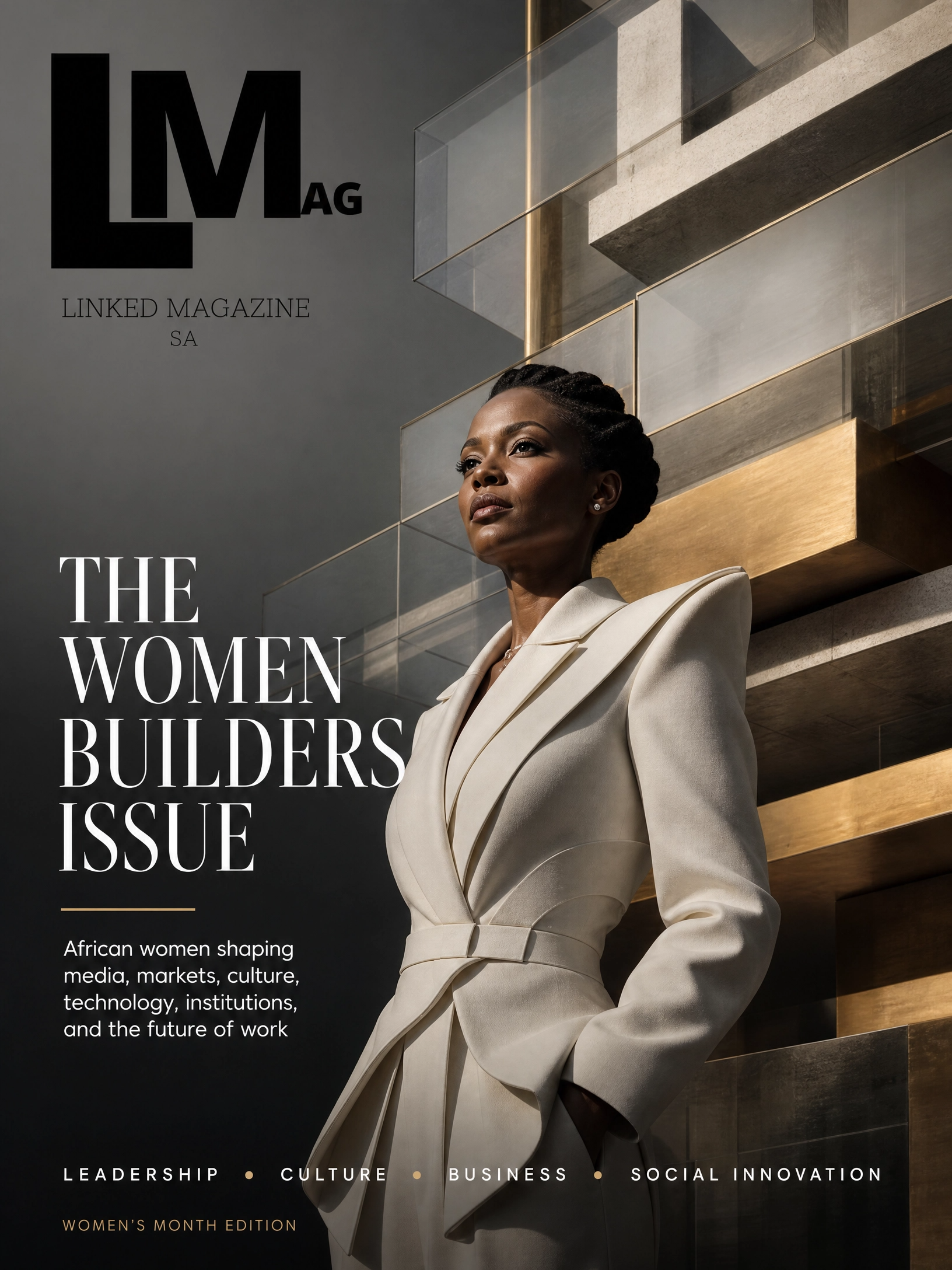
Issue Cover Feature Vol. 09 · August 2026

Linked Magazine

The Women Builders Issue

Special Women’s Month Edition

She Is Building What Comes Next.

From boardrooms and creator labs to policy tables and production floors, this issue follows the women designing the systems, institutions, and market pathways that expand African possibility.

  • Women’s Month 2026
  • Culture · Technology · Enterprise

Women Builders Issue

Editorial Opening

She Is Building What Comes Next.

By Nandi Maseko

There is a particular kind of photograph that appears every Women’s Month. A woman stands in perfect light, shoulders back, looking just past the camera. The caption says “empowerment.” The image is beautiful. The feeling lasts about as long as a scroll.

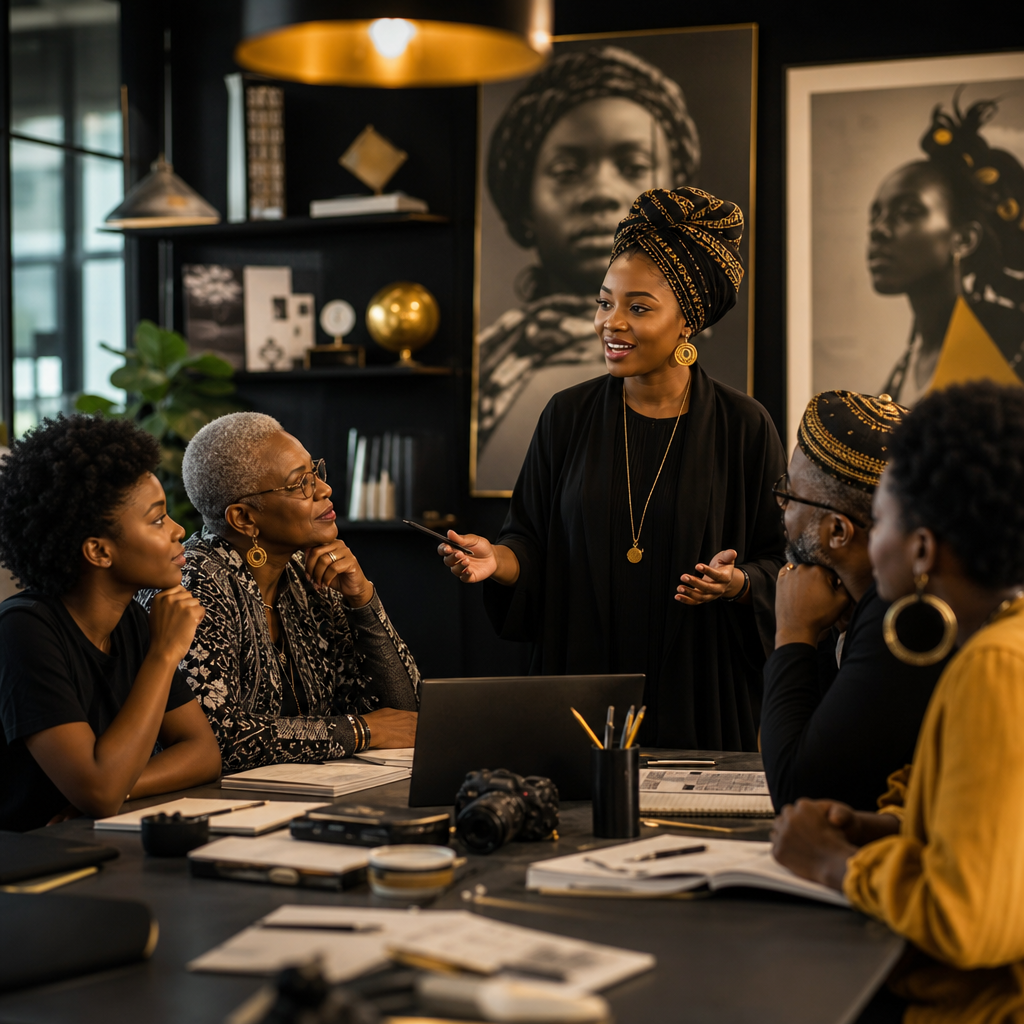
This issue wanted something else. We wanted to look at the rooms after the applause. The press office after the announcement. The studio before the performance. The classroom after the graduation photograph. The contract before the campaign goes live. The empty theatre before the audience arrives. That is where builders live.

“We want to look at the rooms after the applause.”

Across Africa, women are making companies, media platforms, technology, schools, cultural organisations, labels, agencies, communities, and new ways of working. Some are famous. Many are not. Some have raised capital. Many have built with savings, borrowed equipment, unpaid favours, and the stubborn grace of continuing when the numbers do not yet make the work look impressive. The question is not whether African women are ready. The sharper question is whether the institutions around them are ready to recognise, finance, protect, and scale what they are building.

“Wathinta abafazi, wathinta imbokodo” a famous South African slogan and protest song lyric that translates to “You strike a woman, you strike a rock.”

So this issue is a celebration, but not a soft one. We celebrate the builders by paying attention to their decisions, their teams, their markets, their risks, their failures, and the value that becomes possible when their work is taken seriously. A woman does not become a builder only when a board gives her a title. She is a builder when other people can stand on what she has made. Welcome to the rooms where the future is being assembled.


Issue masthead

Production credits

A verified publication frame for The Women Builders Issue, presenting core editorial responsibility and contributor scope.

Editor-in-Chief

Nandi Masekeo

Publisher

Linked Magazine Media Group SA

Issue editor

Linked Editorial Desk

Contributing writers

  • Nandi Maseko
  • Thandiwe Ncube
  • Amina Sarr
  • Zuri Mensah
  • Lerato Dlamini

Contributor attributions on this issue follow verified publication roles, and all material remains subject to direct reporting and final verification. Editorial standards

Studio detail strip

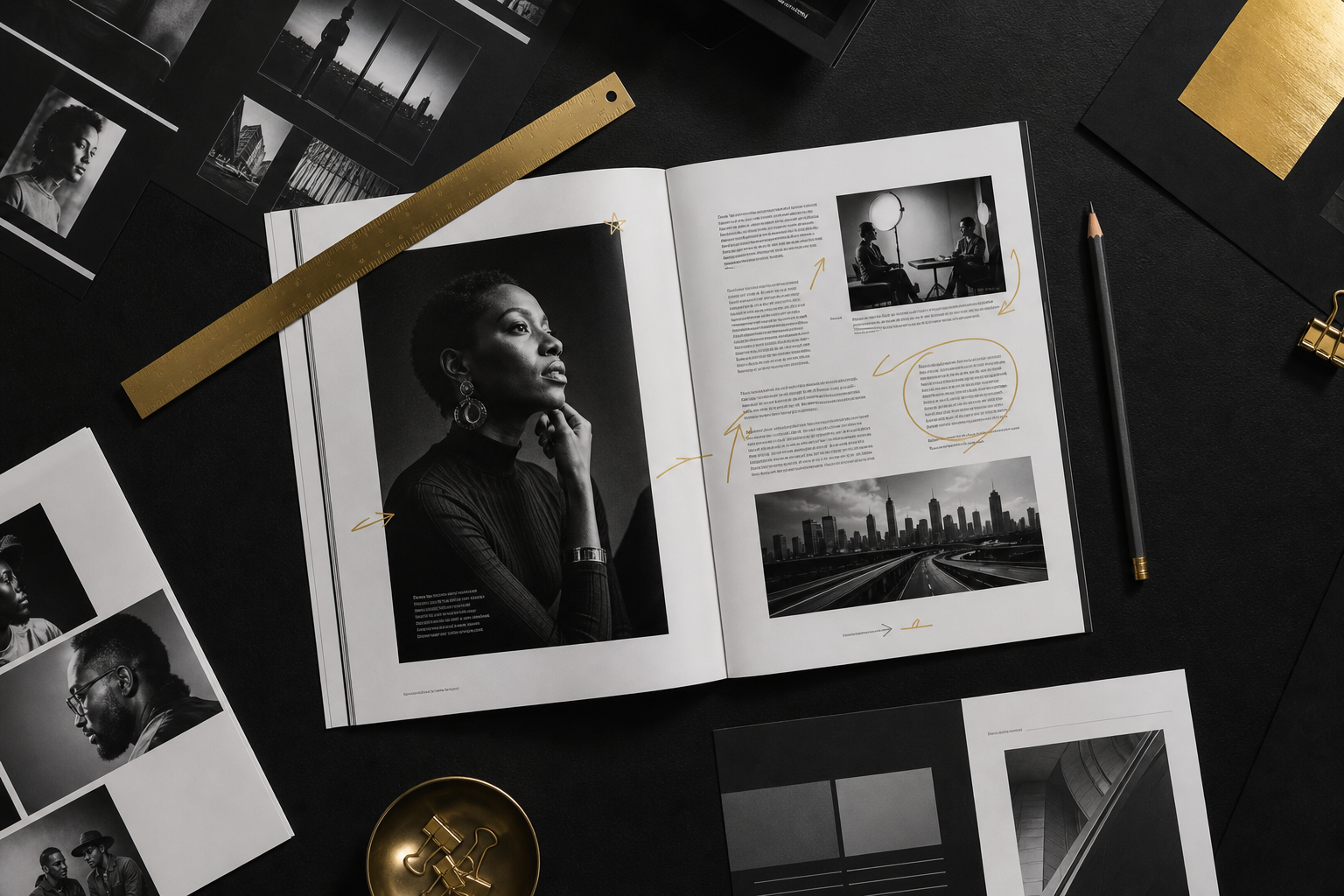
Close-up of a gold-edged print proof sheet with editorial crop marks on a dark desk Audio mixing console with warm amber indicator lights in a contemporary podcast production room Magazine flatlay featuring monochrome pages, a gold metal ruler, and annotated editorial notes

Issue Navigation

The Women Builders Issue — Contents

A reading order designed to mirror a true magazine spread. Follow each chapter in sequence.

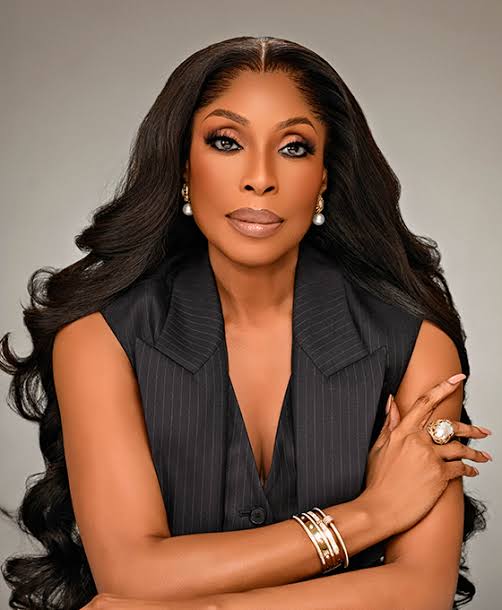
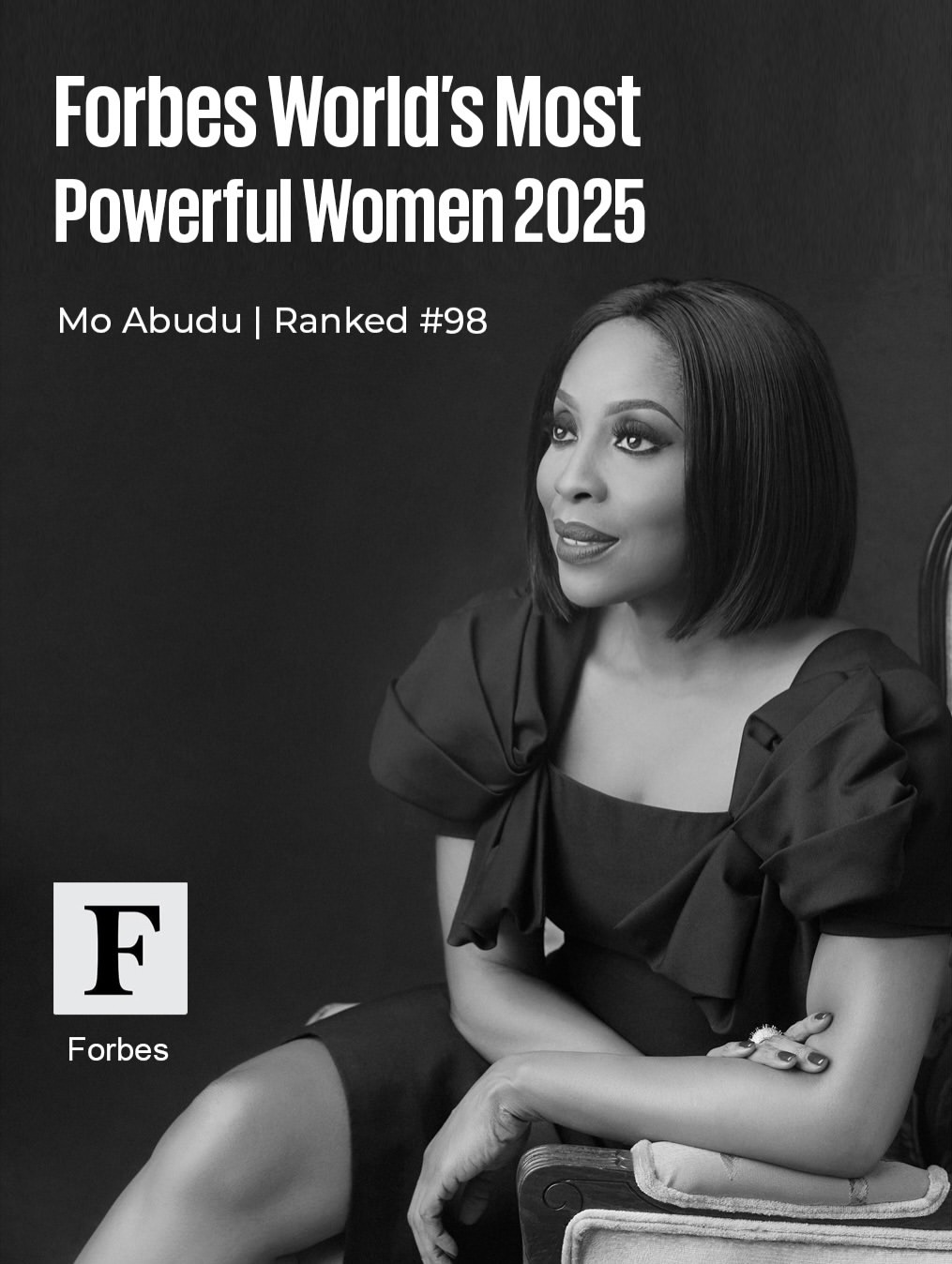
Cover Story By Zuri Mensah, Culture & Creative Economy Correspondent

The audience is not the border

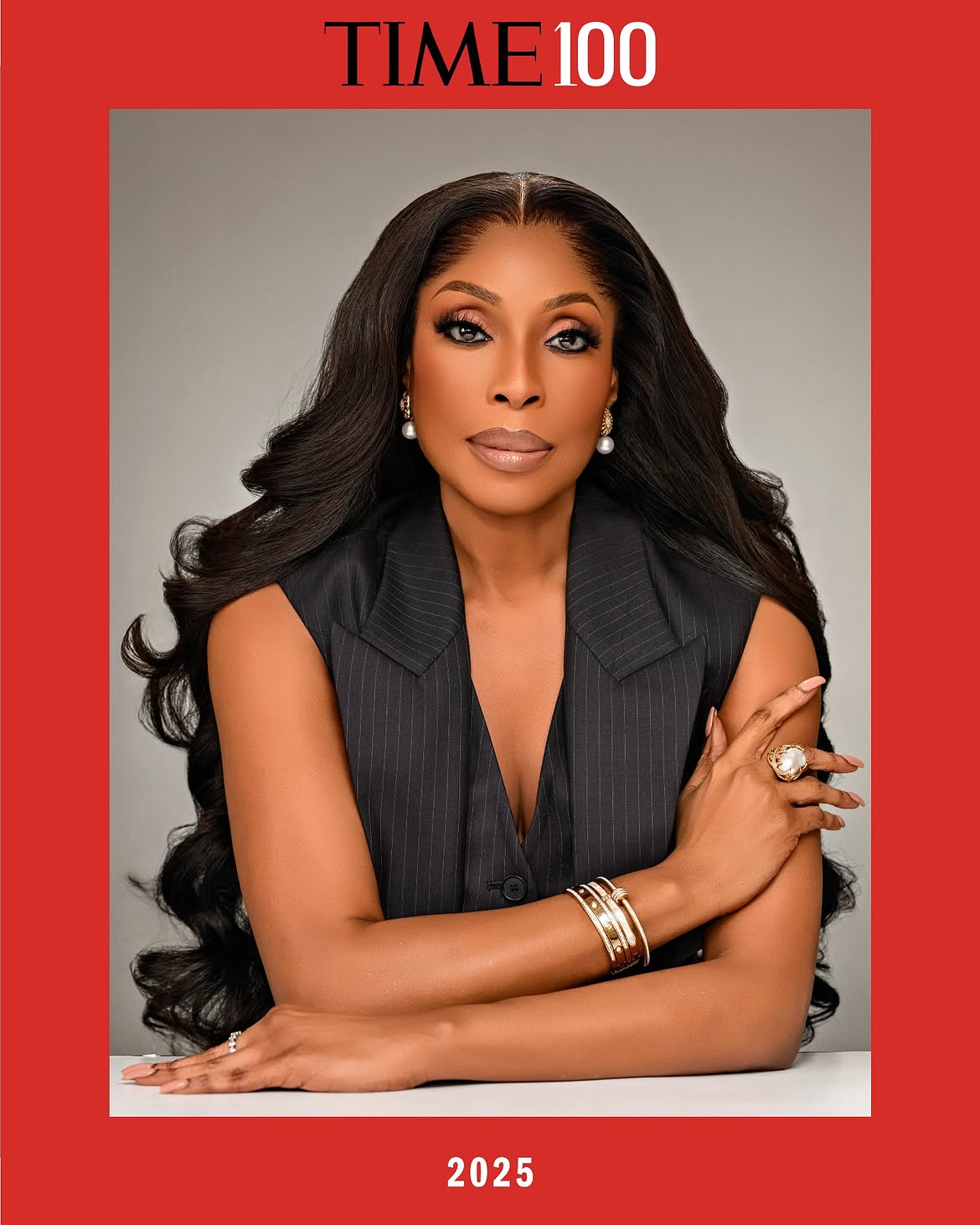
Mo Abudu and the patient business of African storytelling

Added by user manually

A story travels differently when the person telling it knows that home is not a single place. For years, African audiences have watched their lives return to them through somebody else’s lens: polished, simplified, translated, or removed from the ordinary details that make a place feel true. The global appetite for African stories has grown, but appetite is not the same thing as ownership.

Mo Abudu built her media career in that tension. Through EbonyLife, she developed a platform associated with African film, television, production, talent, and global distribution. The work is bigger than a catalogue of titles. It is a long argument for African producers to be present not only as subjects, but as decision-makers. That distinction matters. When a story is made in Africa but the final decisions are made elsewhere, the geography of production can hide the geography of power. Who chooses the writers? Who owns the rights? Who determines which accents are “relatable”? Who decides whether a local story is allowed to remain local?

The media builder’s job is therefore not only to make something beautiful. It is to build the conditions under which beauty can be made again: financing, production capacity, distribution, talent development, partnerships, and audiences that trust the platform.

This is why African media should be discussed as infrastructure. A production company can become a school. A series can open a market. A platform can create jobs for writers, editors, actors, stylists, composers, publicists, and technicians. A successful story can make the next story easier to fund.

Abudu’s work offers a useful way to understand the new African vanguard. The visionary is not always the person in front of the camera. Sometimes it is the person who makes it possible for hundreds of people to appear there with dignity.

The finished interview should ask Abudu about the economics of African storytelling, the responsibility of global platforms, the development of African talent, and the difference between being visible and being in control. It should also ask what she would build if she had to start again with half the money and twice the audience.

The Technology File - By 

  • Amina Sarr
, Technology Correspondent

Respect, not rescue

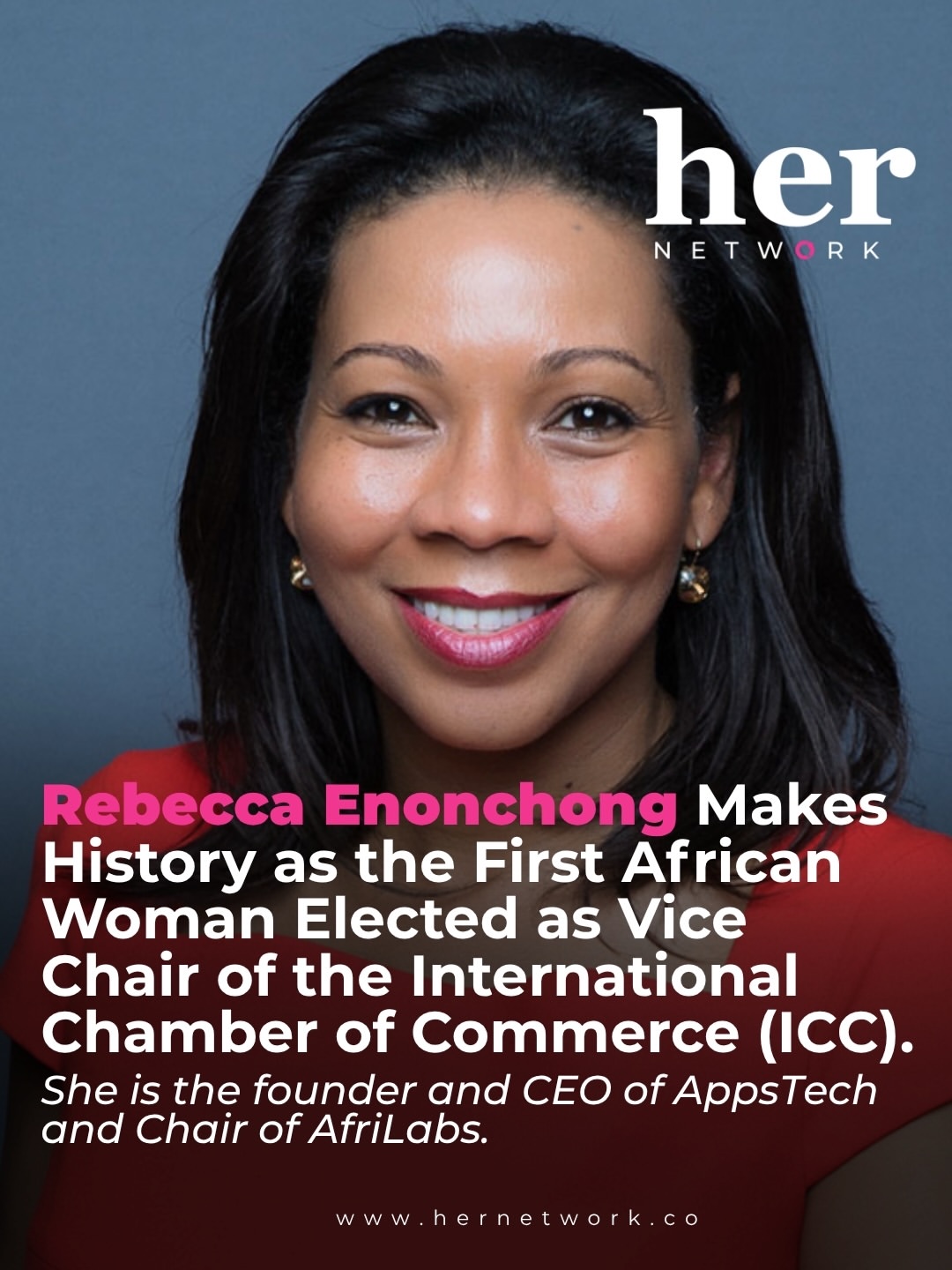
Rebecca Enonchong on the institutional readiness of African entrepreneurship

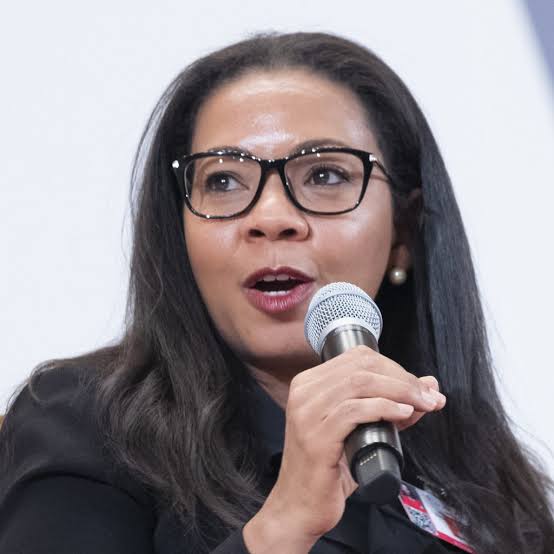
Rebecca Enonchong has little patience for the language that makes founders sound like unfinished projects. In a published essay, she argued that African women entrepreneurs do not need endless “empowerment” programmes. They need capital, access, and respect. It is a sharp distinction. Empowerment suggests that power belongs to somebody else and can be handed down in carefully measured portions. Respect begins with the recognition that the builder is already carrying power—and often carrying more risk than the room can see. Enonchong is the founder and CEO of AppsTech and has worked across technology entrepreneurship, incubation, angel networks, and engineering innovation. Her public work offers a direct challenge to the way African women founders are discussed: endlessly prepared, rarely funded.

Enonchong is the founder and CEO of AppsTech and has worked across technology entrepreneurship, incubation, angel networks, and engineering innovation. Her public work offers a direct challenge to the way African women founders are discussed: endlessly prepared, rarely funded.

“What African women entrepreneurs need is not empowerment programmes or capacity building. They need capital, access, and respect.” — Rebecca Enonchong,

She is equally direct about customers and procurement. Market access is not solved by mentorship if procurement desks continue to recycle familiar incumbents and exclude emerging African suppliers from meaningful contracts. A maturing ecosystem must widen the buyer base, shorten payment cycles, and reward delivery performance rather than pedigree.

“Training can improve a pitch. An ecosystem can make the pitch matter.”

For investors, the challenge is interpretation. Capital often misreads African growth patterns by applying imported assumptions to local realities. Enonchong calls for investor understanding that can evaluate infrastructure constraints, regulatory timelines, and region-specific demand signals without discounting ambition. In practical terms, real ecosystem support means founders can build, hire, negotiate, and expand without repeatedly proving their legitimacy.

“They should teach them how to build, price, protect, negotiate, hire, measure, and grow.”
Added by user manually
credit: her network
Added by user manually
Rebecca Enonchong FREng is a Cameroonian technology entrepreneur and also the founder and CEO of AppsTech.

The Field Note By Thandiwe Ncube,Society & Ideas Writer

The leak before the crisis

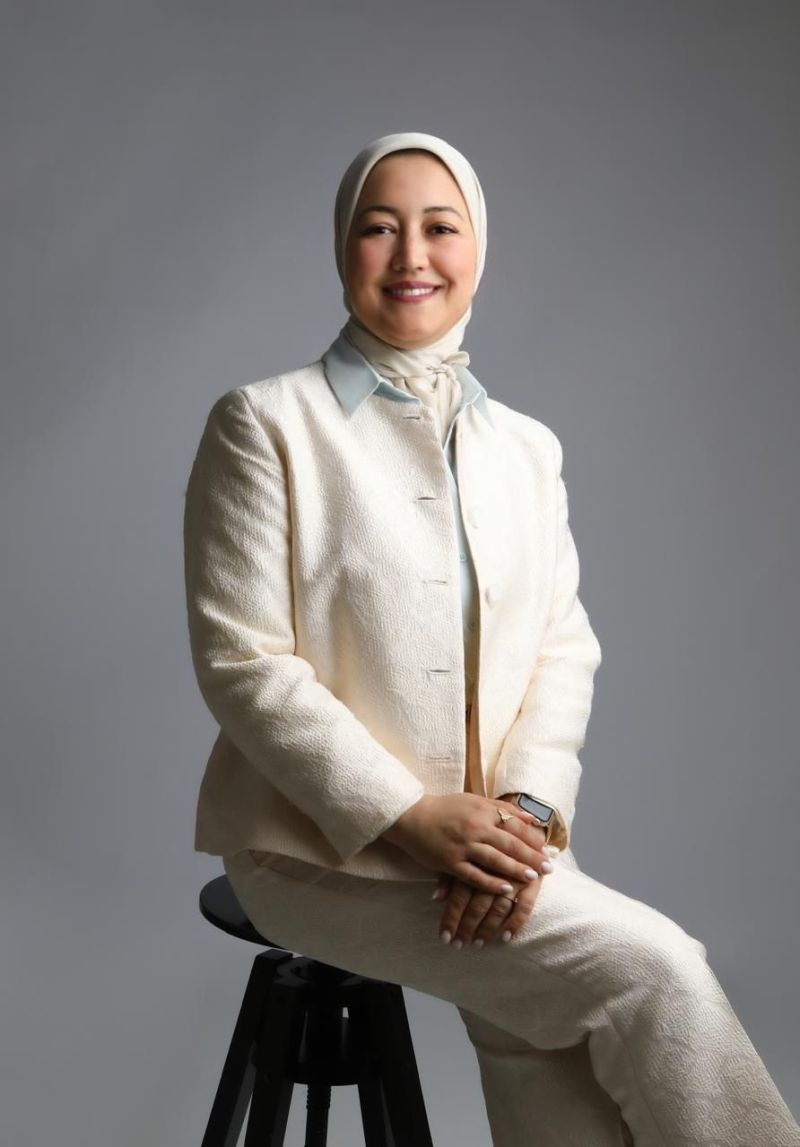
Jihane Ouhejjou is building a case for African technology that begins with a real problem

Added by user manually
Field diagnostics • Distribution node inspection

Practical technology, measured by consequence

Water problems are often discussed in numbers large enough to make people feel helpless. Millions of litres. Entire cities. Decades of infrastructure. Jihane Ouhejjou’s work begins somewhere smaller: pressure, flow, vibration, and the sound of a system behaving differently from normal. Through MAEIA, Ouhejjou is developing an AI system designed to detect anomalies in water distribution networks before they become major failures. UNESCO describes the work as using sensors and data to help move water management from reactive repair to predictive management

The image of a young African woman working in AI is often made to carry too much symbolic weight. She becomes proof that Africa can innovate. But the more interesting fact is that her work is not symbolic to the people who lose water when a network fails. It is practical. Ouhejjou’s story also asks a harder question about who gets to define innovation. If the problem comes from a drought-prone community, and the technology is built around local knowledge, does it need to resemble Silicon Valley to be considered advanced?

The Enterprise File

Made here, sold everywhere

The export question facing African women-led brands

Added by user manually
SoleRebels is an International footwear company based in Addis Ababa, Ethiopia. The company was created by Ethiopian entrepreneur Bethlehem Tilahun Alemu in 2005.
Added by user manually
Lemlem (Ethiopia) was established in 2007 by international supermodel and maternal health advocate Liya Kebede. Core Product: High-end, sustainable resort wear, swimwear, and chic maxi dresses.
Added by user manually
Tongoro (Senegal) launched in 2016 by Senegalese stylist and lifestyle entrepreneur Sarah Diouf. Core Product: Ready-to-wear clothing featuring bold, playful prints and billowing structures made to international luxury standards.

The global market has learned to recognise an African aesthetic. It has become less comfortable learning the African business behind it. A woven texture is easy to admire. A supply chain is harder. A photograph of a beautiful product can travel around the world in seconds. The people who made it may still be negotiating transport, production costs, wages, quality control, import rules, and the difference between a wholesale order and a profitable one.

Bethlehem Tilahun Alemu’s work with soleRebels is a useful entry point into that tension. The brand has been associated with Ethiopian craft, local production, and an international retail ambition. The story is not simply that African products can be sold globally. The deeper question is what has to be built so that global demand strengthens local capability instead of extracting local style.

That question belongs in every culture-business conversation. Who owns the brand? Who is paid to make the product? Which skills remain in the community? What happens when orders grow? Does the company become a platform for artisans, or does it become another intermediary between the maker and the market?

“The global market has learned to recognise an African aesthetic. It has become less comfortable learning the African business behind it.”

African women entrepreneurs often build with a double responsibility: to create a viable business and to carry the social expectations attached to being a woman in public leadership. That burden should not be romanticised. A company is not made more ethical because its founder is a woman. It becomes ethical through decisions about wages, contracts, materials, governance, growth, and accountability

“Support without clear commercial terms is often admiration wearing a business costume.”

The Platform Question By Thandiwe Ncube, Society & Ideas Writer

Can technology make work fairer?

Aisha Pandor and the complicated promise of the platform

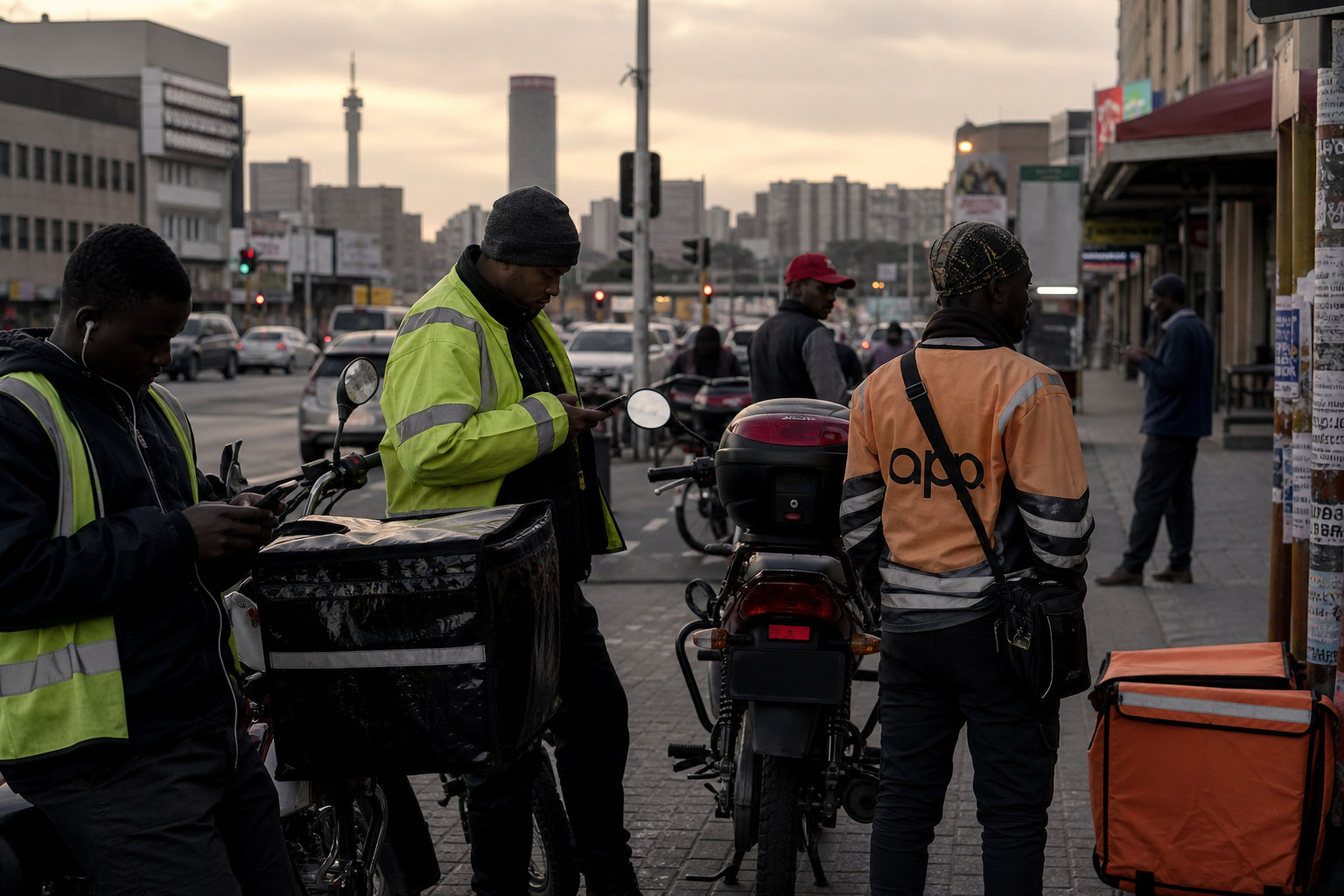
Early-morning service workers waiting beside delivery scooters and backpacks on an urban Johannesburg street, showing the human reality of platform-based labor
Work mediated by apps still happens in physical streets, on tight schedules, and under uneven bargaining power.

Every platform tells a story about connection. A customer needs something. A worker can provide it. A piece of technology brings them together. But connection is not the same as fairness

Aisha Pandor’s work as a co-founder of SweepSouth provides a way into the question. The platform connected customers with domestic workers through technology, creating a model that sits at the meeting point of convenience, trust, work, and scale. The attractive story is simple: technology opens access. The more responsible story asks what happens inside the access. Who sets the terms? Who carries the risk? Who owns the customer relationship? How are disputes handled? What happens when a worker is injured, underpaid, or rated unfairly?

Platform builders are designing workplaces even when they do not call themselves employers. Their decisions shape how people find work, how they are seen by customers, and how much uncertainty is transferred to the individual. This is why women builders should be covered with seriousness rather than automatic praise. Their work can be innovative and still deserve scrutiny. A platform can create opportunity and reproduce inequality at the same time. The editorial job is to hold both truths in the same frame.

“Connection is not the same as fairness.”

“Platform builders are designing workplaces even when they do not call themselves employers.”

“A founder profile becomes more useful when it includes the people who live inside the founder’s system.”

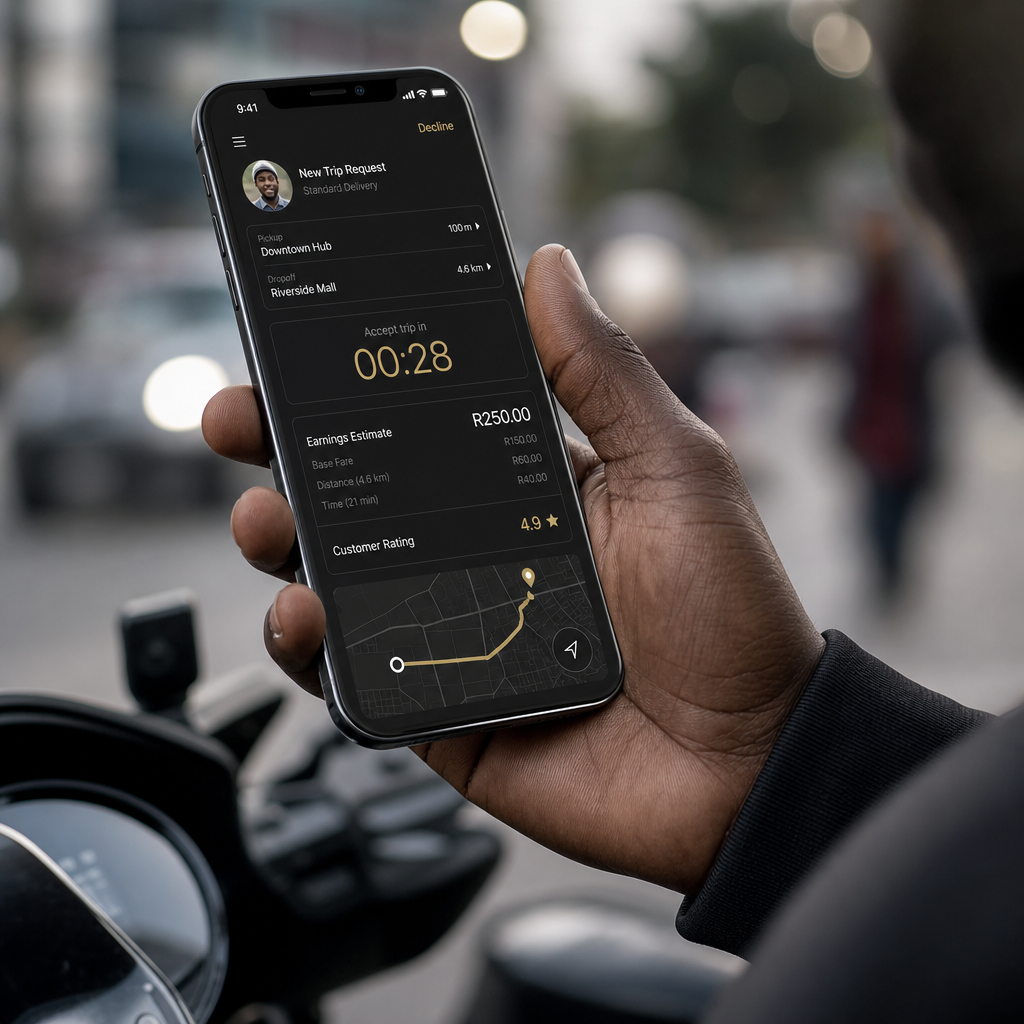
Close-up of a smartphone service-app interface showing job acceptance timers, customer ratings, route details, and pay breakdown fields
Interface logic can quietly set wages, pace, and discipline—making product decisions labour decisions.

The Culture Desk

Culture is not a moodboard

Irene Agbontaen on the difference between cultural intelligence and cultural borrowing

High-fashion campaign portrait of a Black African creative director in a structured gold-and-ink-black garment on an urban rooftop at golden hour
Campaign direction
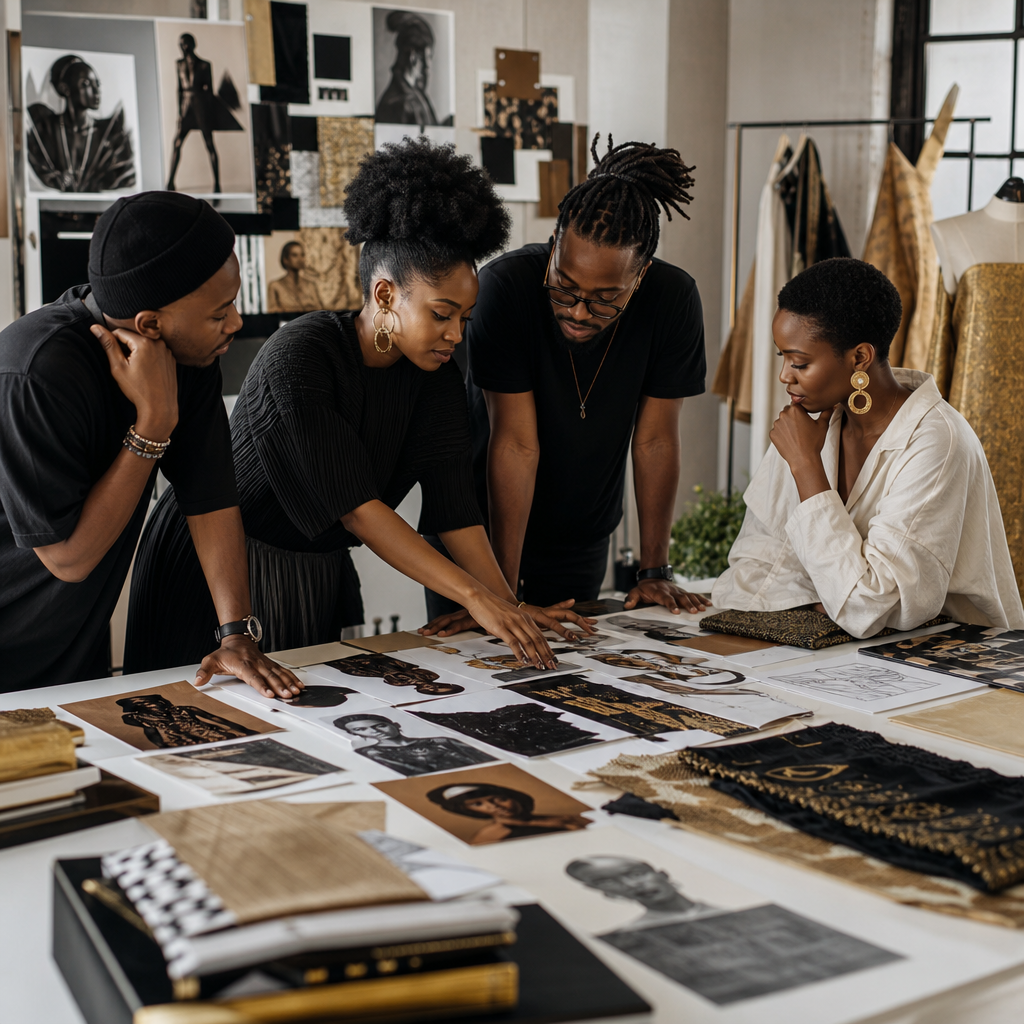
Behind-the-scenes studio table with stylists, notebooks, fabric swatches, and pinned references during a collaborative concept meeting
Process, not extraction
Close-up cultural detail of handcrafted beaded textile and engraved metal adornments arranged with editorial precision
Detail carries meaning

Cultural intelligence starts long before a campaign goes live. It asks who was consulted, who is paid, and who has decision-making power when symbols, language, and heritage are translated for global audiences.

Responsible work is relational: it credits local experts visibly, writes fair contracts for collaborators, and budgets for community contributors as core partners rather than as optional line items after production.

Borrowing strips context; intelligence restores it. Editorially and commercially, the difference is whether culture is treated as styling, or as a living ecosystem with history, accountability, and future impact.

“A moodboard can borrow a colour in seconds. Culture asks for a relationship.”

“The creative industries do not need more campaigns that treat African culture as an atmosphere.”

“Culture is not a moodboard. It is a living relationship with consequences.”

The Stage Builders

The women who built the Basadi stage

A special recognition of Hloni Modise Matau and the Basadi in Music Awards team

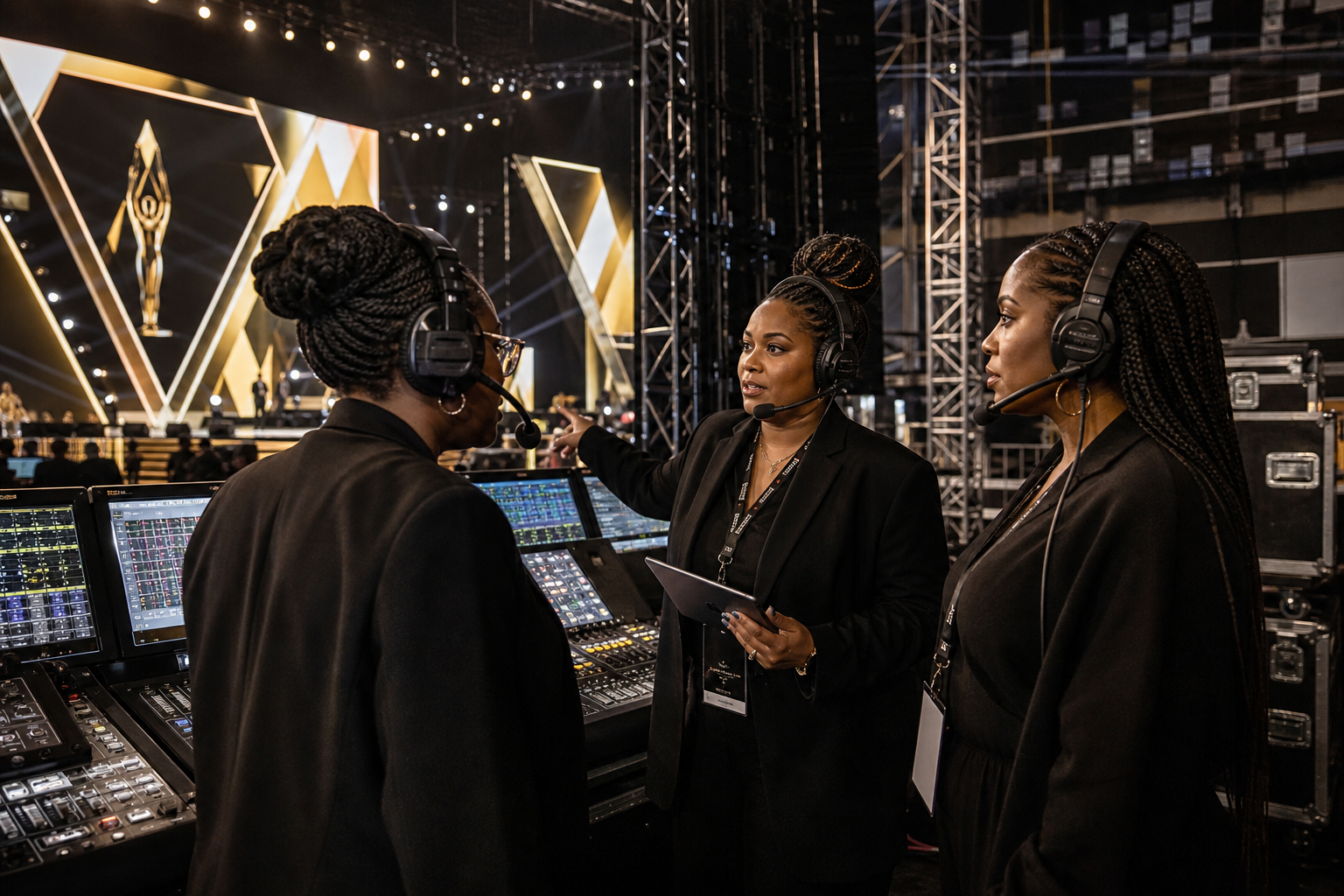
Wide backstage production scene with women producers coordinating stage cues, lighting desks, and live-show timing before an awards broadcast
Backstage command, cue systems, and live broadcast readiness
Production-detail image of women team members reviewing nomination sheets, digital voting dashboards, and verification notes in a media operations room
Nomination and voting operations are editorial and technical workstreams, not side notes.
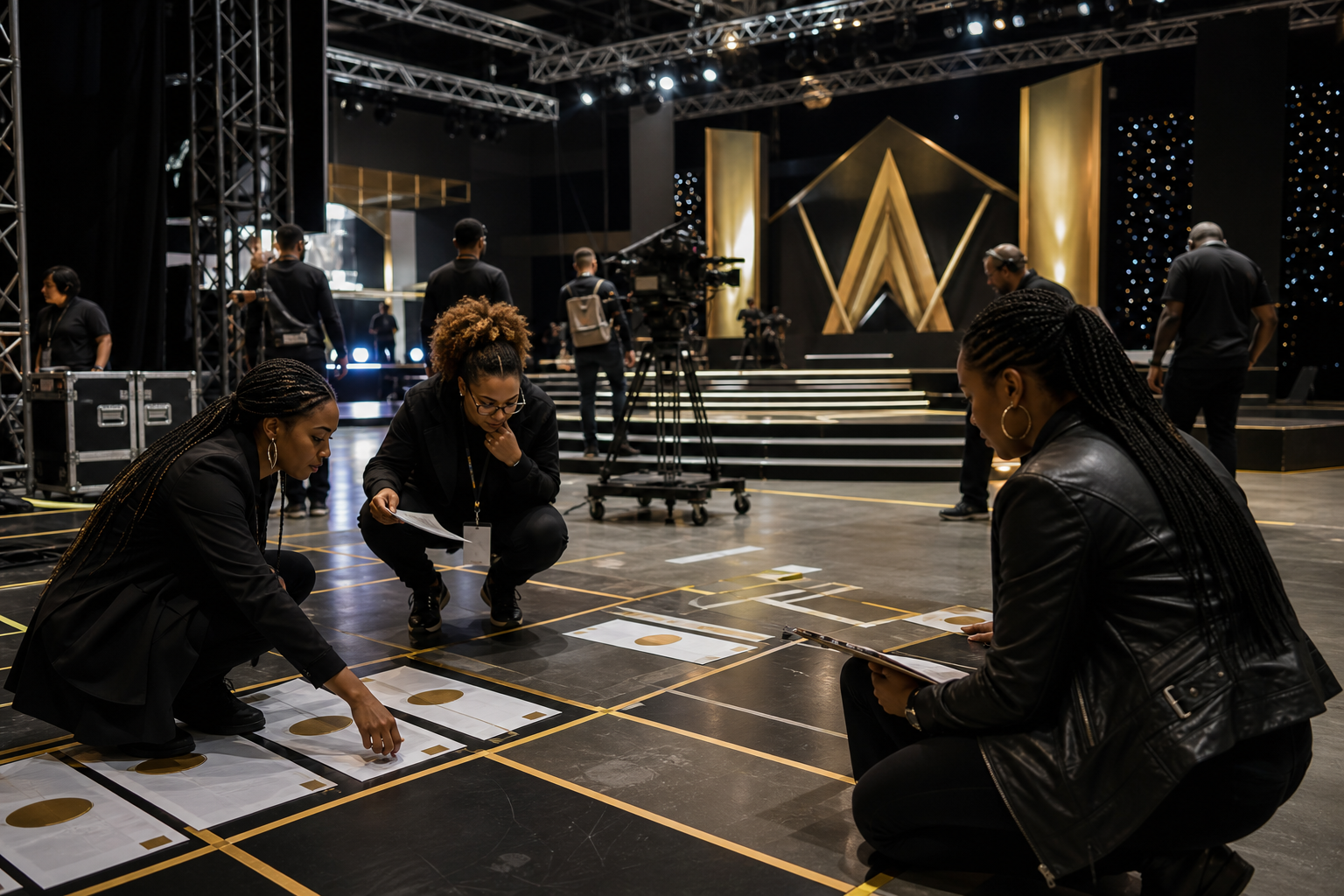
Awards-floor production setup showing women coordinating sponsor branding placements, camera lanes, and stage rehearsals
Sponsorship integration, floor design, and rehearsal sequencing hold the public moment together.

Basadi in Music Awards is a recognition system with architecture: nomination pipelines, voting governance, sponsorship stewardship, production command, and archives that preserve cultural memory. What the audience sees in a few televised hours is built through months of coordinated labor and strategic design.

This feature centers the women shaping that architecture. Their work decides credibility, continuity, and visibility for artists across cycles, not just for one event night. To recognize the stage is to recognize the builders who made it legible, trusted, and culturally consequential.

“Before the lights come up, somebody has already built the stage.”
“An awards ceremony is not only a red carpet. It is a machine.”
“When women build that machine, they are not asking to be included in somebody else’s history.”

Verification note: Wider team attribution remains at Basadi in Music Awards team level unless additional individual roles are formally confirmed.

The Story Travellers

The women who make the story travel

Helga Klizanie, Naomi Mokhele, Lee Mocumi, and the Khanya PR team

Behind every public headline is a communication chain built with precision: briefing documents, message calibration, and distribution discipline. This desk work is not ornamental; it is operational infrastructure.

In high-speed editorial cycles, communications teams synchronize language, assets, spokesperson readiness, and media timing so stories meet the right audiences with clarity and credibility.

Operational chain

  • Press lists
  • Image selection
  • Spokesperson prep
  • Timing
  • Media relations
  • Archival continuity
“A press release is only the visible edge of communications work.”
“Visibility is infrastructure.”
“The women who manage that chain are builders too.”

Care note: Individual public roles and attributions should follow verified communications credits only.

The Capital Question

What women builders need from the rest of us

This is not a motivation brief. It is a market brief. If institutions, funders, brands, platforms, and retailers are serious about growth, then capital must move from symbolic support into operating support with measurable outcomes.

The question is no longer whether women can build. The question is whether gatekeepers will modernize the terms of access fast enough to match the quality, speed, and scale already in motion.

Senior executives and women founders in a focused boardroom strategy meeting with documents, laptops, and a professional urban skyline backdrop
Close-up planning table with procurement forms, payment schedule notes, calculator, and hands reviewing supplier terms

Action grid: non-negotiables for serious support

  • 01

    Criteria

    Publish clear qualification criteria before applications open.

  • 02

    Payment terms

    Set enforceable payment windows that protect supplier cash flow.

  • 03

    Procurement

    Open procurement pathways with transparent selection frameworks.

  • 04

    Paid commissions

    Replace speculative asks with paid commissions and scoped deliverables.

  • 05

    Market access

    Create recurring access to distribution, shelves, and premium audiences.

  • 06

    Transparent supplier programs

    Report supplier outcomes publicly to build trust and accountability.

“Do not sponsor applause when you can sponsor infrastructure.”
“The response cannot be another panel about resilience.”
“A woman can be prepared and still be asked to prove readiness one more time.”

The Playbook

Build the room, then change the rules

A recurring department for turning conviction into operating practice. These notes are built for the people who influence decisions, structure value, and widen access beyond symbolic inclusion.

Founders

Treat your admin as architecture: keep clean records from day one, register and document IP ownership early, and price from documented value rather than urgency. Clarity protects leverage before scale arrives.

Brands

Move from campaign extraction to partnership strategy: scope contracts for decision authority, timelines, rights, and performance terms. Commission expertise, not proximity, and build briefs that reward judgment.

Funders

Design fair evaluation criteria before intake. Score teams on governance, execution pathway, and durability, not polish alone, then release capital in staged tranches tied to transparent milestones and learning loops.

Institutions

Build pipelines that do more than recruit: map entry points to paid progression, mentorship, procurement access, and leadership pathways. Institutional intent only counts when advancement is structurally visible.

Young Professionals

Learn the machinery behind the image: read basic contracts, understand rights and revenue splits, track your outcomes, and build strategy skills alongside craft. Sustainable careers are built on fluency, not visibility alone.

The Closing

A builder is not a brand of woman

This issue closes by widening the frame: there is no single script for a woman builder. Some build quietly, some publicly, some in institutions, some in small rooms with large stakes. What binds them is not a style of identity, but the trace they leave in rooms, futures, records, access, and material change.

Editorial montage of African women across media, design, policy, and community spaces, layered like a magazine spread
A collective archive of work, context, and consequence.
Woman documenting decisions around a planning table with notes, maps, and timeline cards
Woman leading a multigenerational community workshop with visible participation and practical outcomes
There is no single way to be a woman builder.

Some build through policy, some through storytelling, some through enterprise, and some through care infrastructures that rarely make front pages. The point is not a template of personality; it is the transfer of possibility from one generation to the next.

The common thread is not personality. It is consequence.