
Linked Media Group SA logo

Linked Media Group

SA

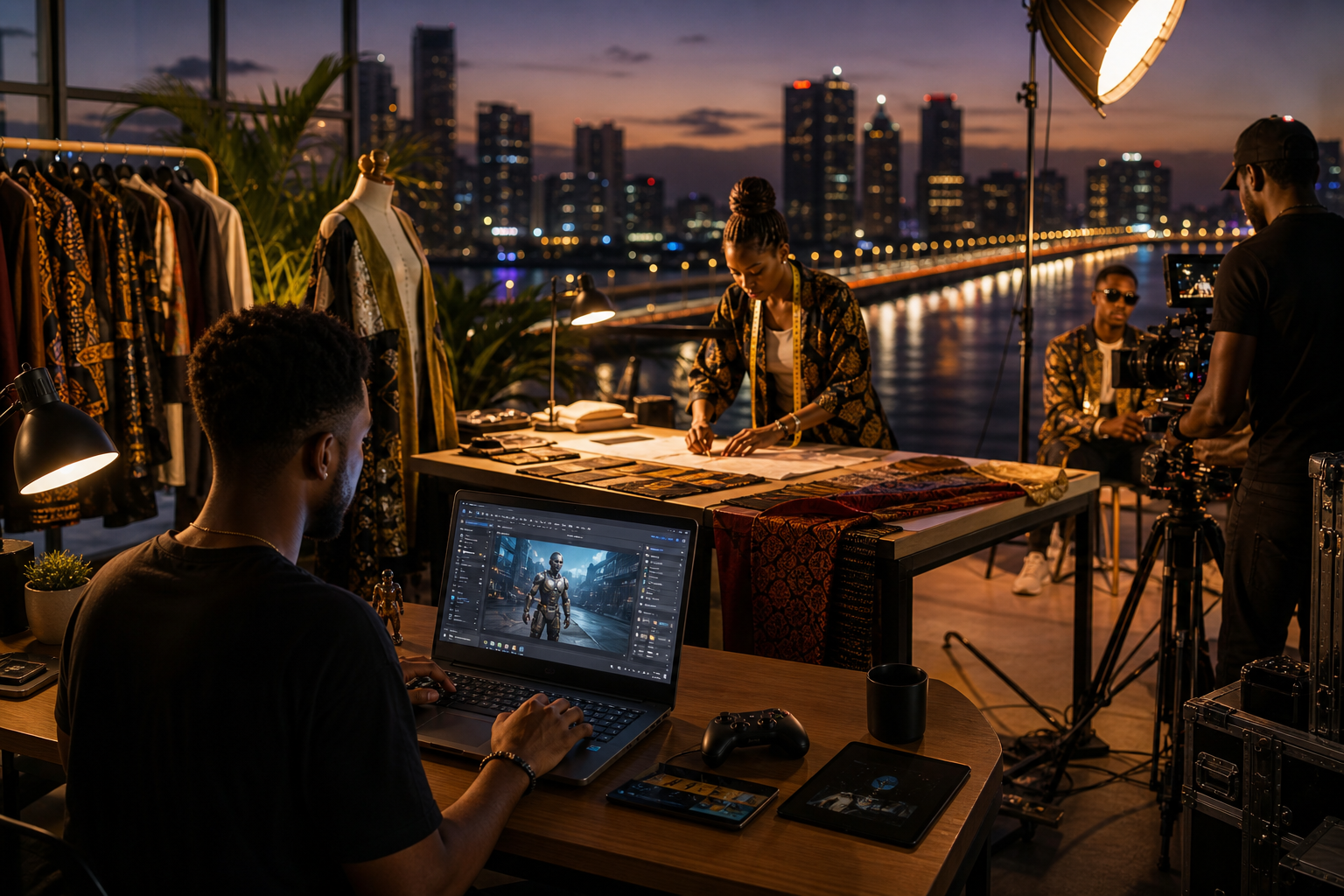
Vibrant evening Lagos creative scene blending a young game developer at a laptop, fashion worktables, a filmmaker setup, and glowing city energy

Lagos, Nigeria

Lagos: The Sound of the Future – Beyond Afrobeats, a Creative Economy Rises

Lagos is scaling a broader creative economy where gaming studios, film collectives, fashion ateliers, and digital art labs power a globally resonant cultural engine.

By Chidi Okechukwu December 14, 2025
Culture & Economy Creative Industries Lagos

Long-form Feature

Lagos is rewriting Africa’s creative economy in real time. The city’s innovation is not a trend but a culture—one that folds sound, gaming, fashion, film, and digital art into a premium global story.

By LMG Editorial 22 July 2026 8 min read

Key Takeaways

  • Lagos is diversifying beyond music into gaming, film, and digital art.
  • Yaba’s tech corridor is seeding AfroVerse Games and a new creator class.
  • Creative entrepreneurship now defines fashion districts and production studios.
  • Mentorship networks and hubs are improving early-stage support.
  • Infrastructure, internet, IP protections, and funding remain urgent gaps.

01. The creative pulse extends far beyond music.

Lagos has long been a musical capital, but its creative identity is now layered with gaming studios, fashion ateliers, and cinematic production houses that operate with global ambition. The city’s DNA is experimental—bold ideas travel quickly from street culture to boardroom strategies, creating a market that rewards aesthetic intelligence and commercial speed.
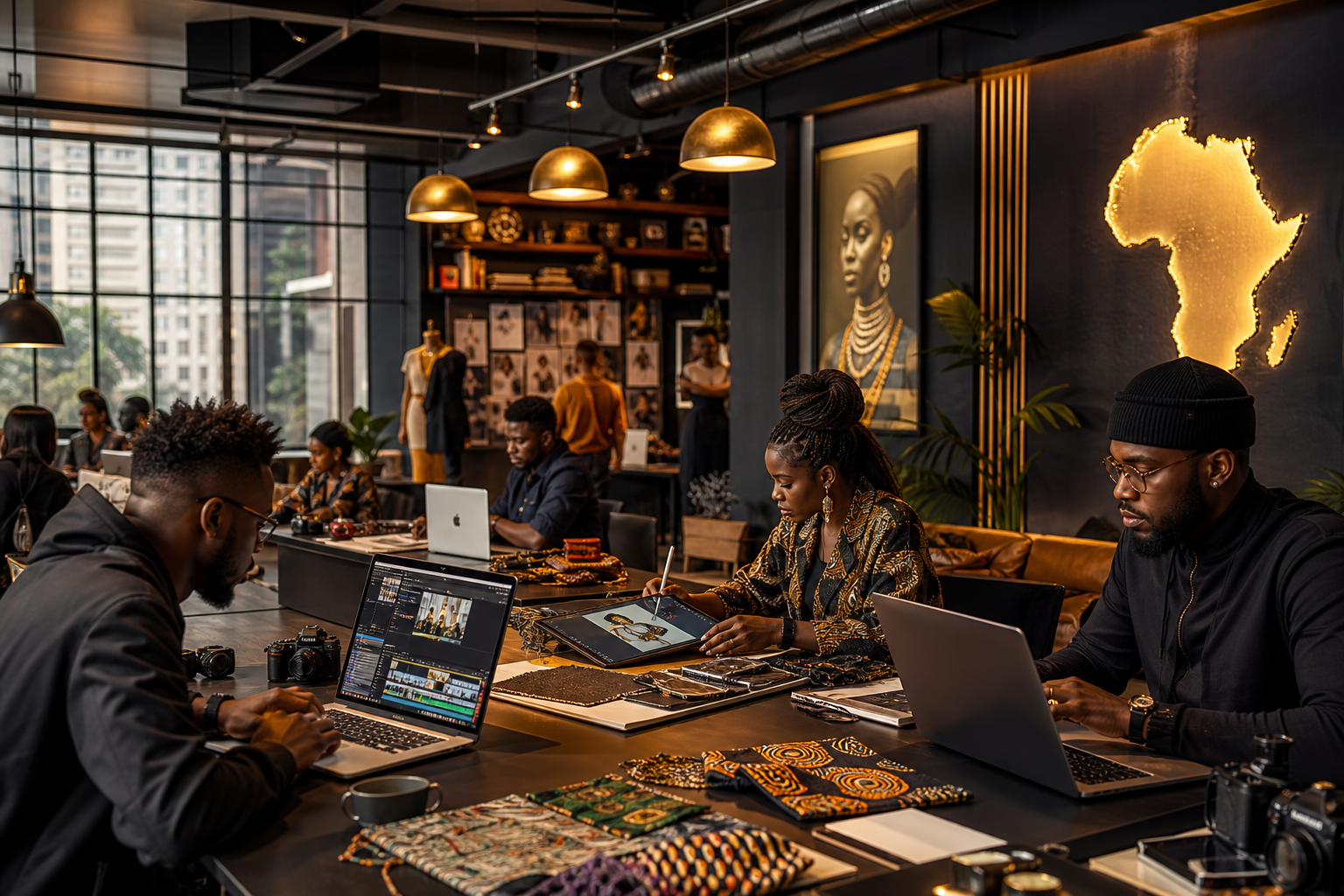
Wide view of a Lagos creative hub where fashion designers, video editors, and digital artists collaborate around shared tables
Creative hubs blend fashion, film, and digital art entrepreneurship.

02. Gaming, storytelling, and the rise of Yaba.

Within Yaba’s tech corridors, storytelling is becoming immersive. Leaders like Nneka Okoro have positioned AfroVerse Games as a cultural exporter—building African narratives into interactive worlds for a new generation of global players. The movement is not just about entertainment; it is about identity ownership and a sophisticated approach to intellectual property.

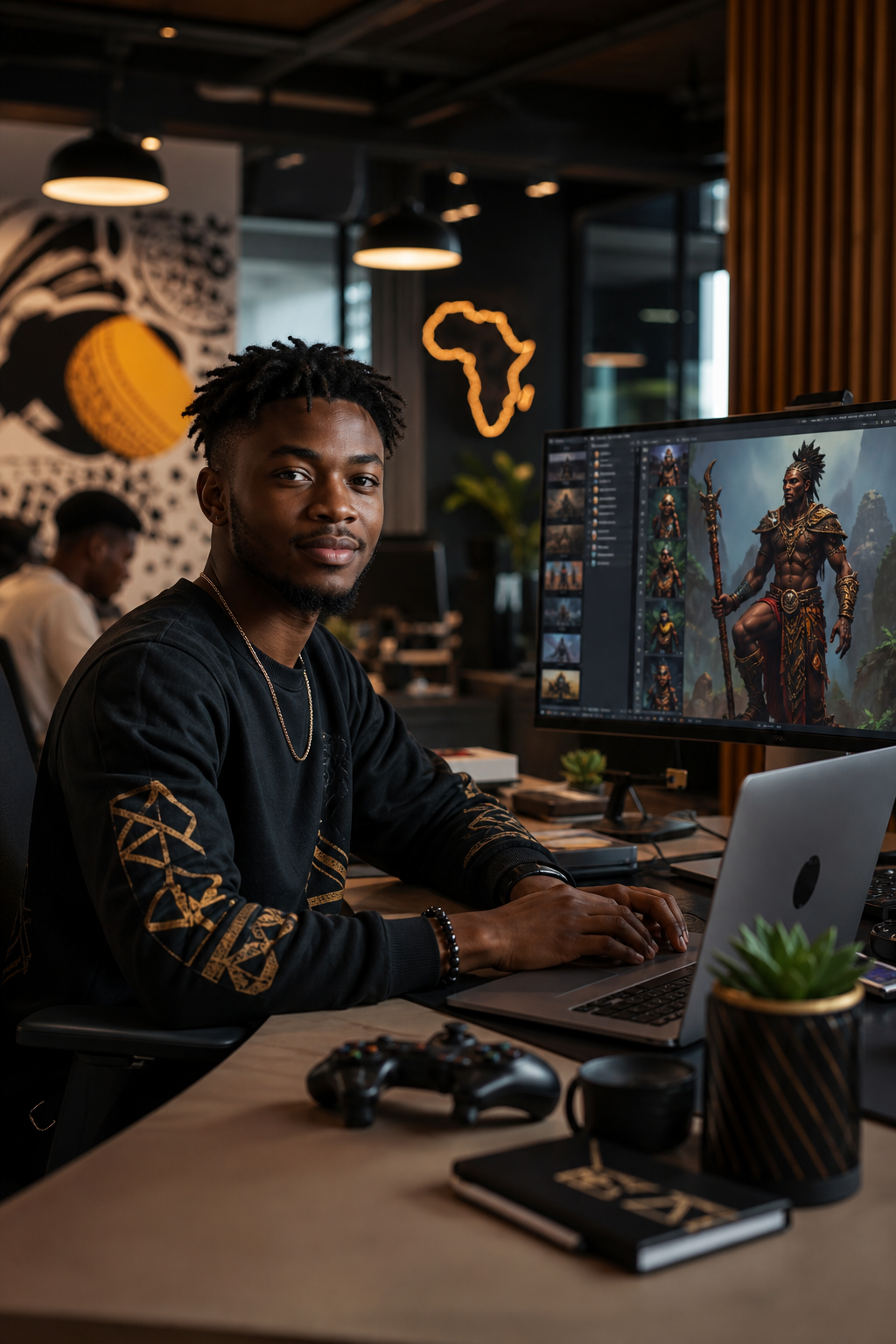
Portrait of a young Nigerian game developer in a modern Yaba co-working space with laptops and warm studio lighting
The new creative class is building from shared spaces—where gameplay, animation, and product design are developed side by side with investors and mentors.

03. Creative entrepreneurship is spreading across fashion, film, and digital art.

From the fashion corridors of Surulere to the post-production houses of Victoria Island, entrepreneurship is defining the creative economy. Designers and filmmakers are scaling micro-studios into exportable brands, while digital artists curate global exhibitions without leaving Lagos. The city’s creative districts now feel like living labs where new business models are tested weekly.

“We are not just building businesses; we are building a future.”

04. Support systems grow while real challenges remain.

The ecosystem is maturing through hubs, mentorship, and early policy support, yet foundational barriers persist. Infrastructure limits production at scale, uneven internet access slows global delivery, and limited venture funding constrains ambitious growth. Intellectual property protections are improving, but creators still carry risk when expanding beyond local markets.

Newsletter

Stay close to Africa’s creative future.

Receive newsroom features, culture reporting, podcasts, and editorial analysis shaped for global readers.

Curated updates only. No noise.

Thank you for subscribing. Your inbox is now on our radar.

Something went wrong. Please try again shortly.